Arkeo AI
Insights on private AI, on-premise deployment, and building AI systems you actually own.
Private AI
Confused by the different names for the same AI agent operating system? Here is the full history of the OpenClaw rebrand and why downloading legacy versions is a massive security risk.
May 14, 2026
On-Premise
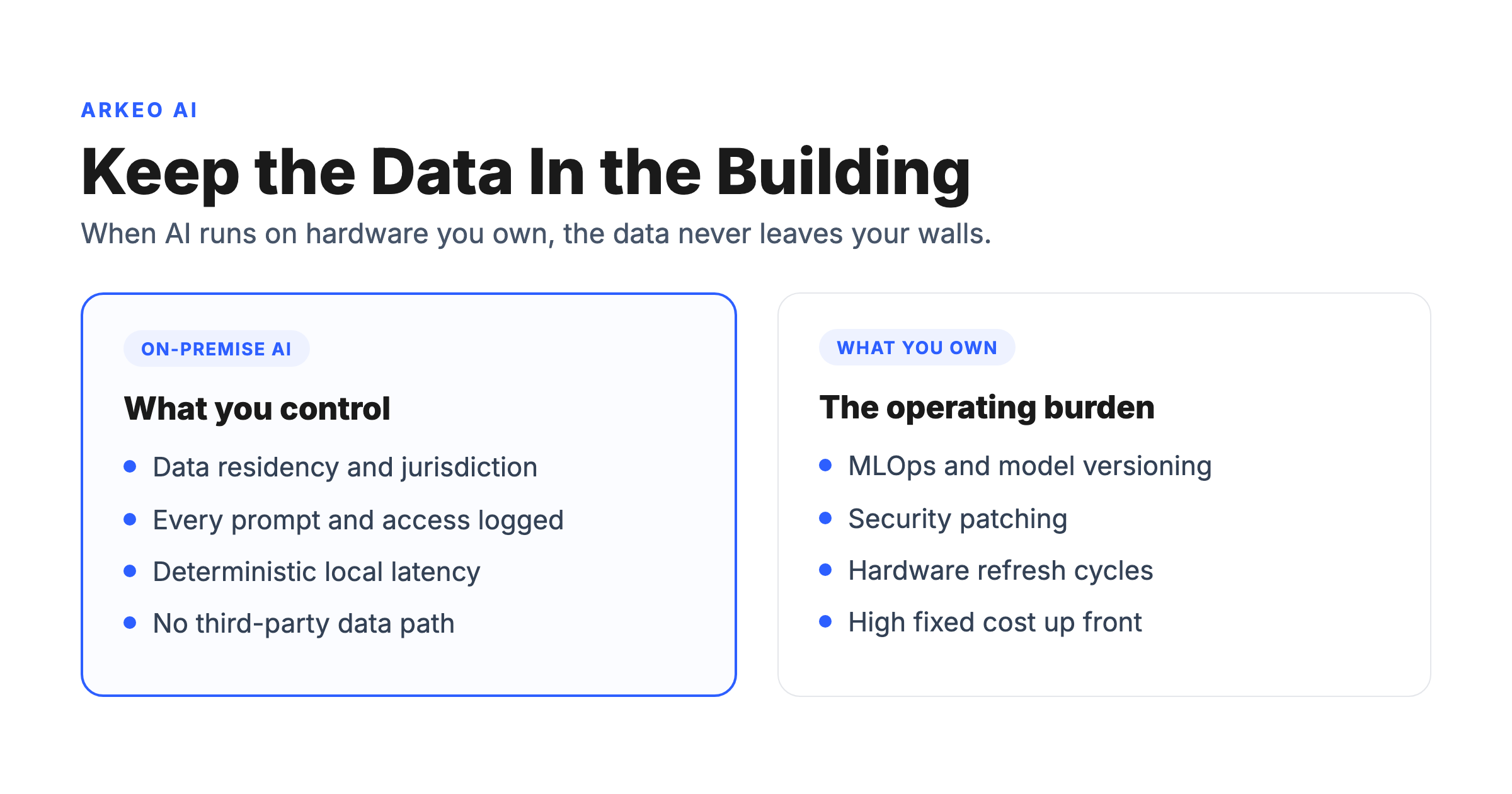
Installing OpenClaw is fast, but configuring it for secure enterprise operations takes planning. Here is the technical guide to deploying your private agent infrastructure.
AI
Mid-market operators often choose the wrong foundation for their AI agents. Here is how OpenClaw and OpenCode compare, and which one your business actually needs.
Data Security
The OpenClaw Browser Relay provides your AI agents with a secure, isolated environment to navigate legacy web apps, extract data, and fill forms without brittle API integrations.
Running an AI container is easy; governing an AI workforce is hard. Learn how OpenClaw Mission Control provides visibility, RBAC, and audit logging to secure your operations.
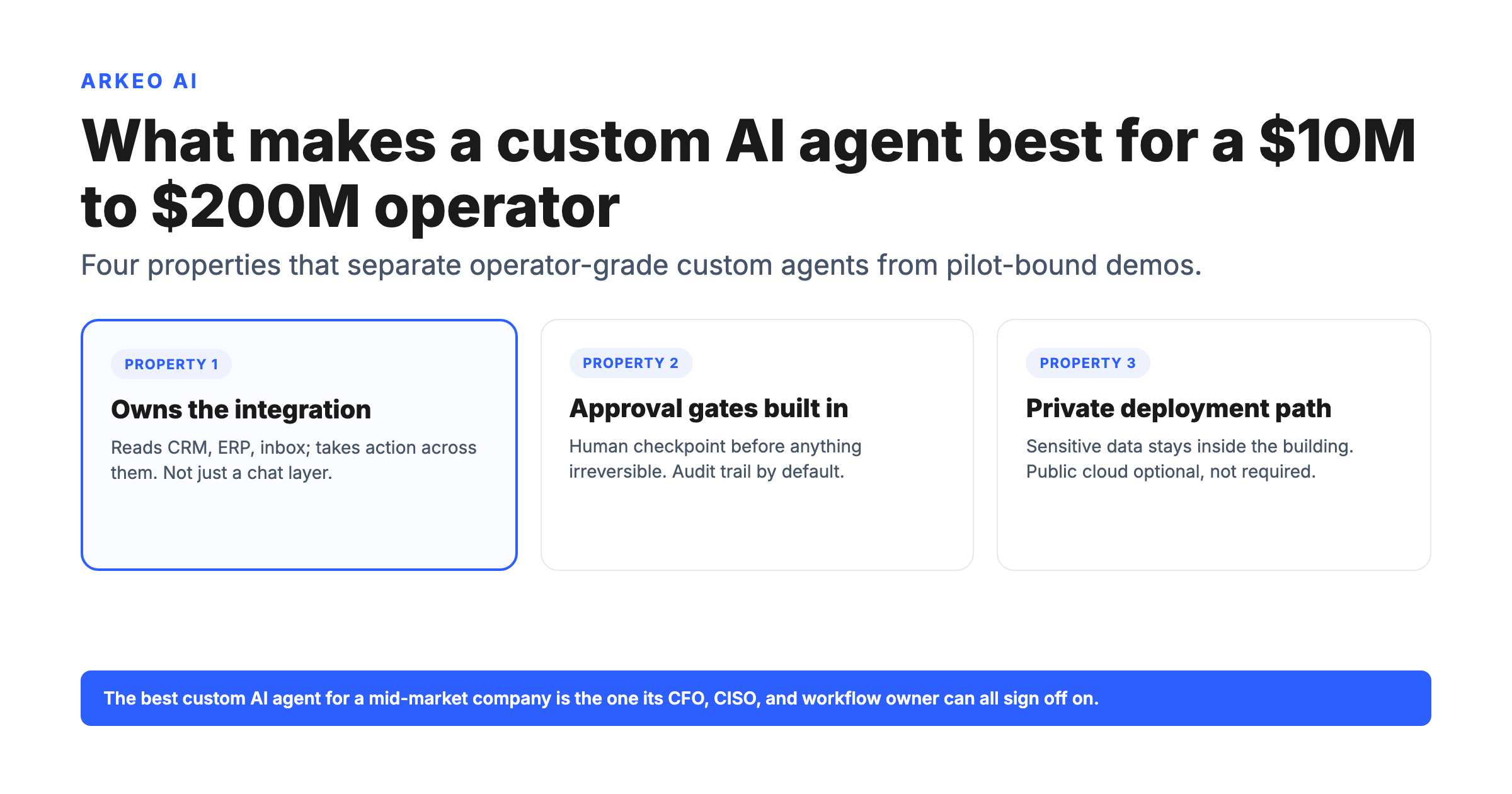
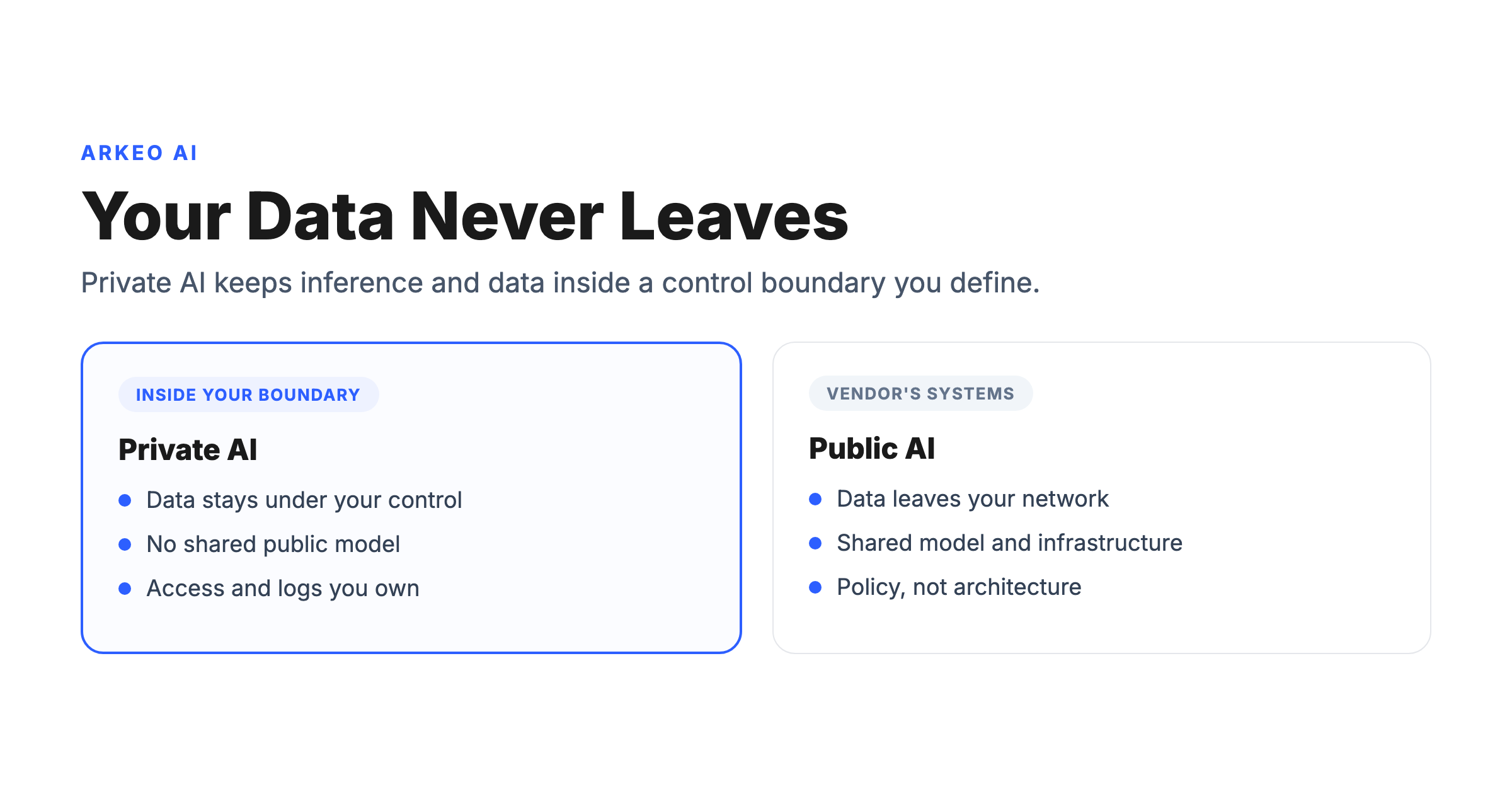
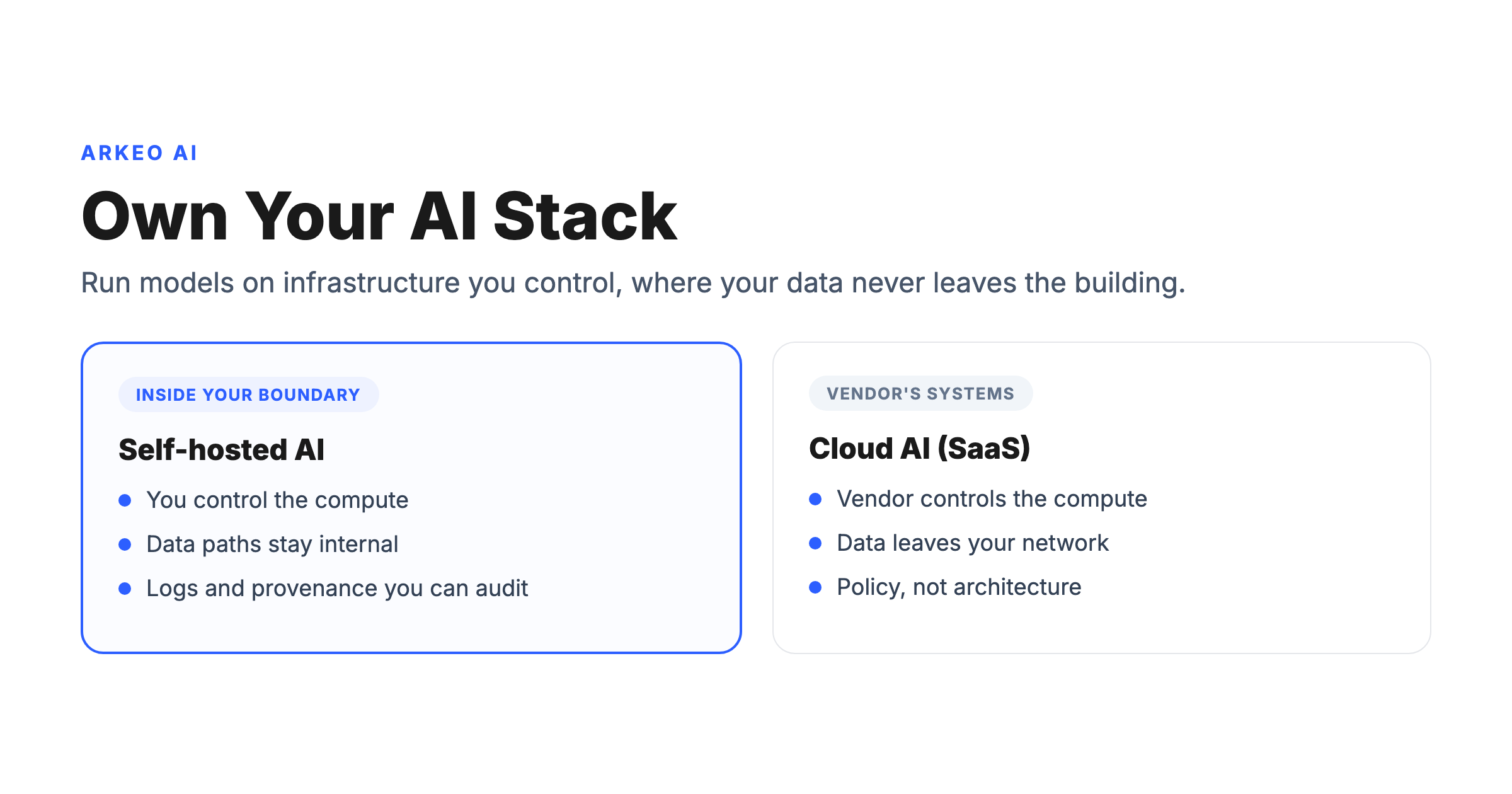
Deploying OpenClaw via Docker gives your business a private AI workforce without data leakage. Here is the technical architecture required to run agents securely on-premise.
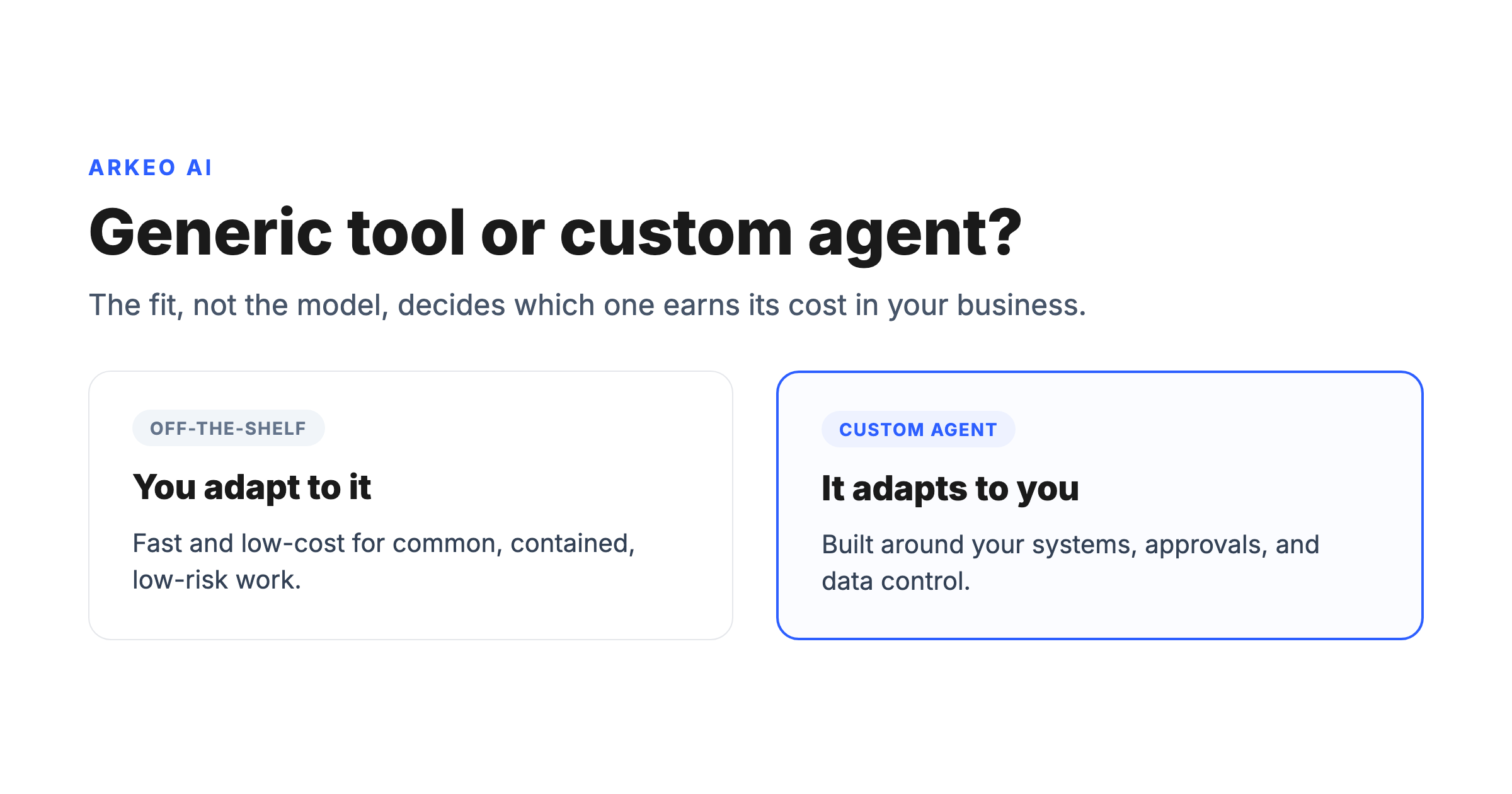
The real OpenClaw alternative isn't another piece of open-source software. It's moving from a DIY setup to a managed Private AI Workforce.
Business
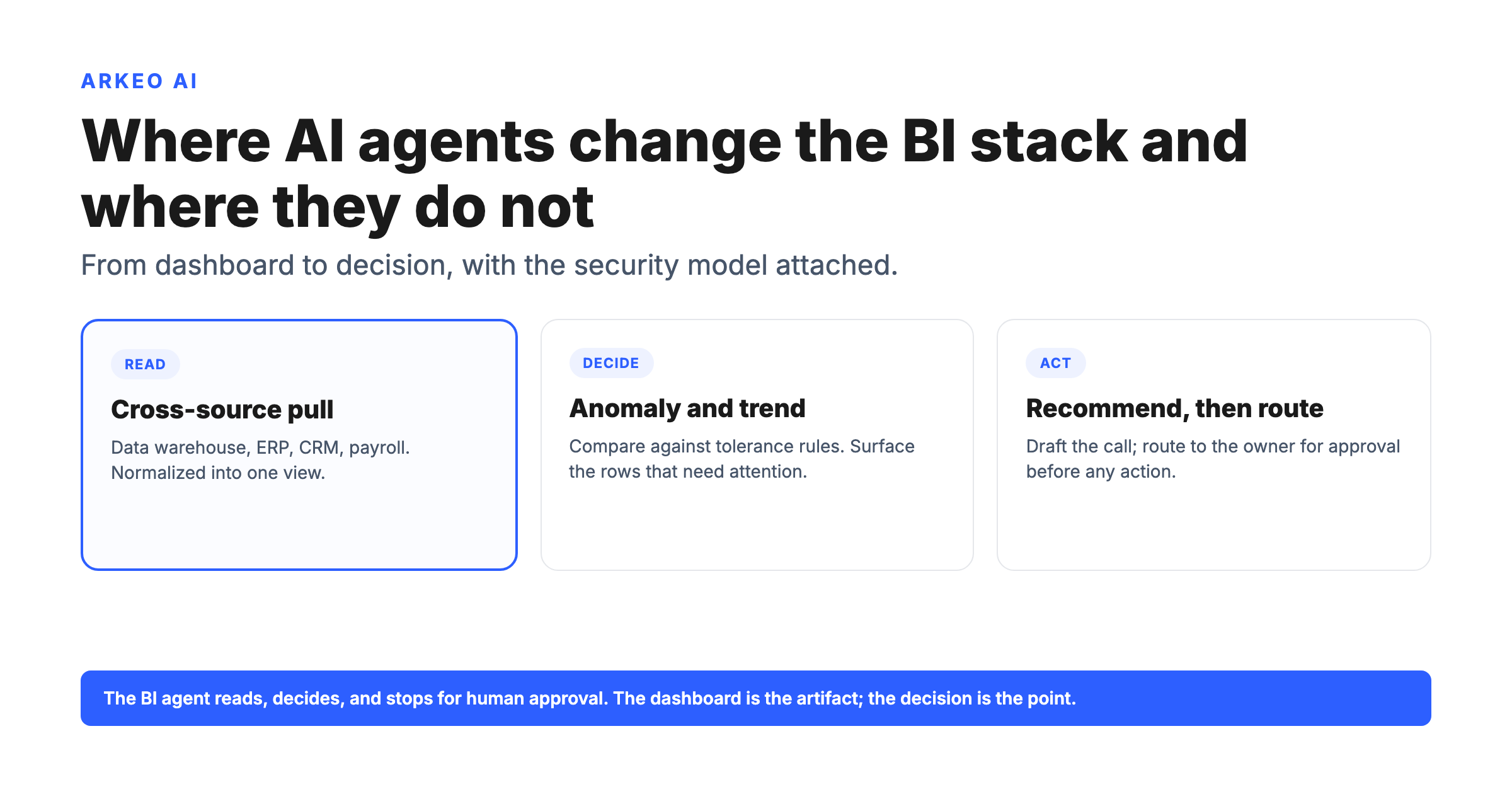
Move beyond chatbots and shadow AI. Here are five practical ways mid-market operators use OpenClaw to build a secure, private AI workforce that handles real business operations.
Stop writing endless chat prompts. Learn how OpenClaw skills act as permanent digital onboarding to turn a generic AI into a specialized operational agent.
OpenClaw is an open-source agent operating system that allows mid-market companies to run secure, private AI workforces directly on their own infrastructure.
Installing OpenClaw is easy. Securing it for business operations is hard. Learn how to protect your proprietary data from unmanaged AI agents.
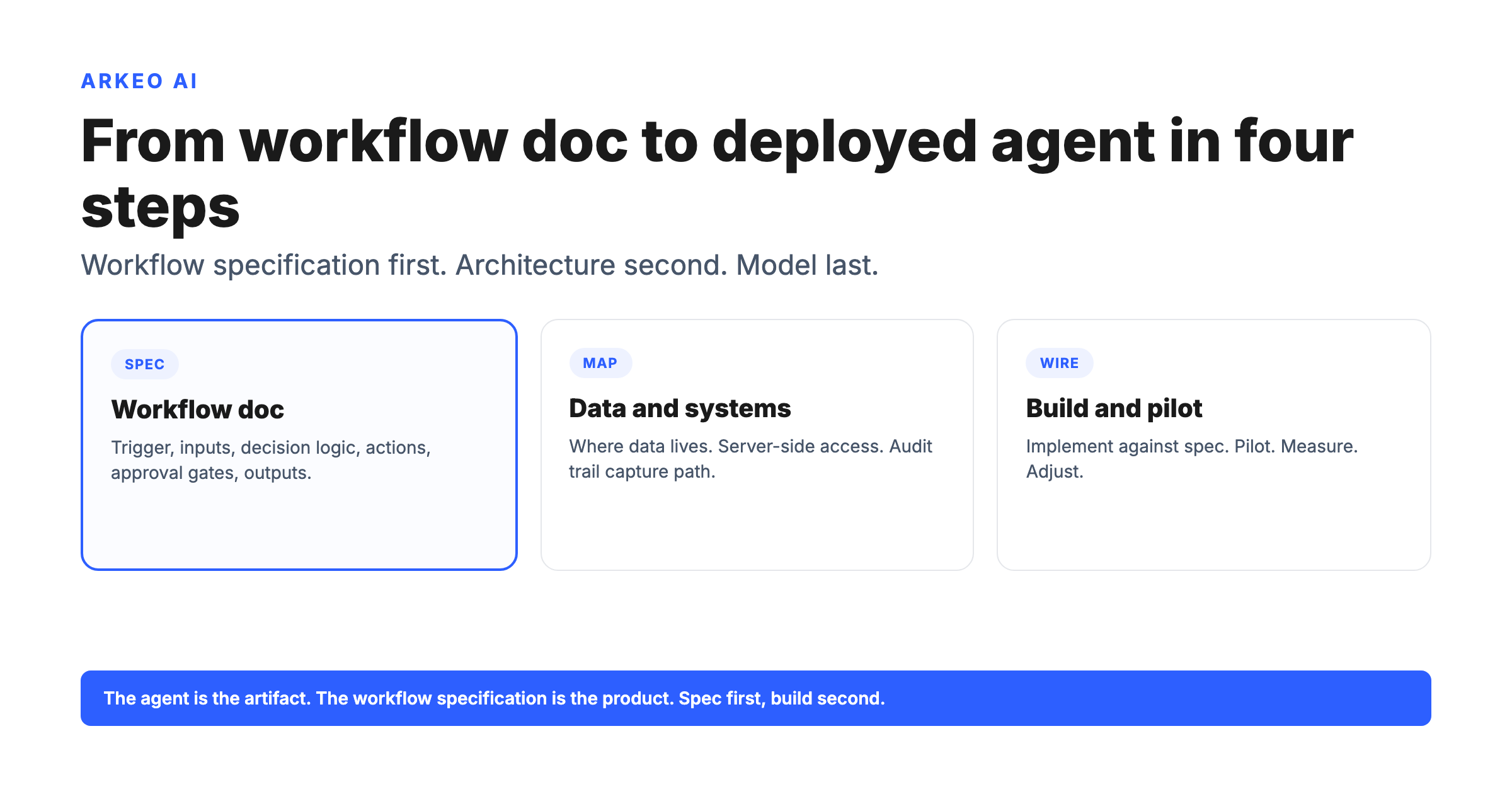
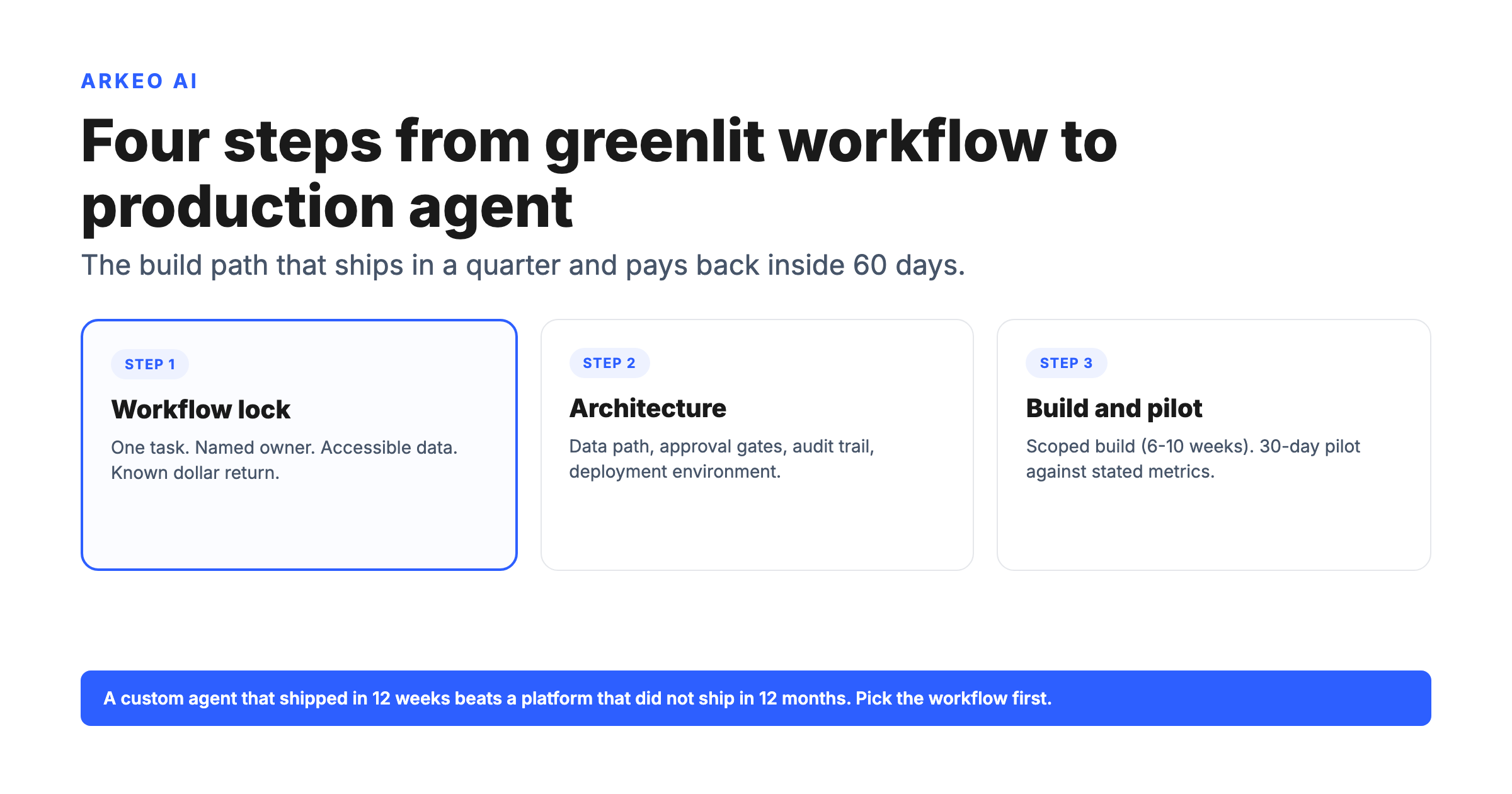
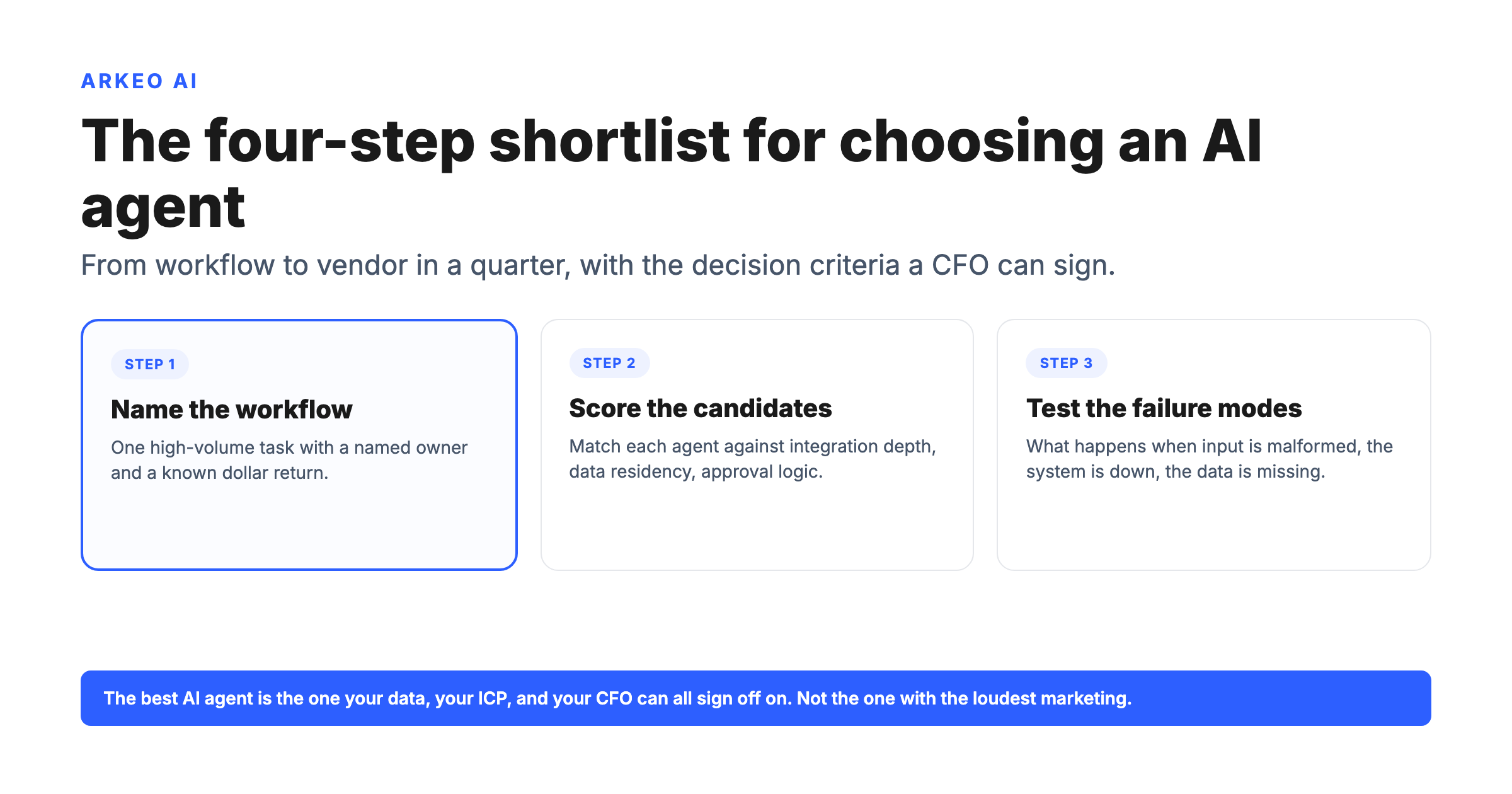
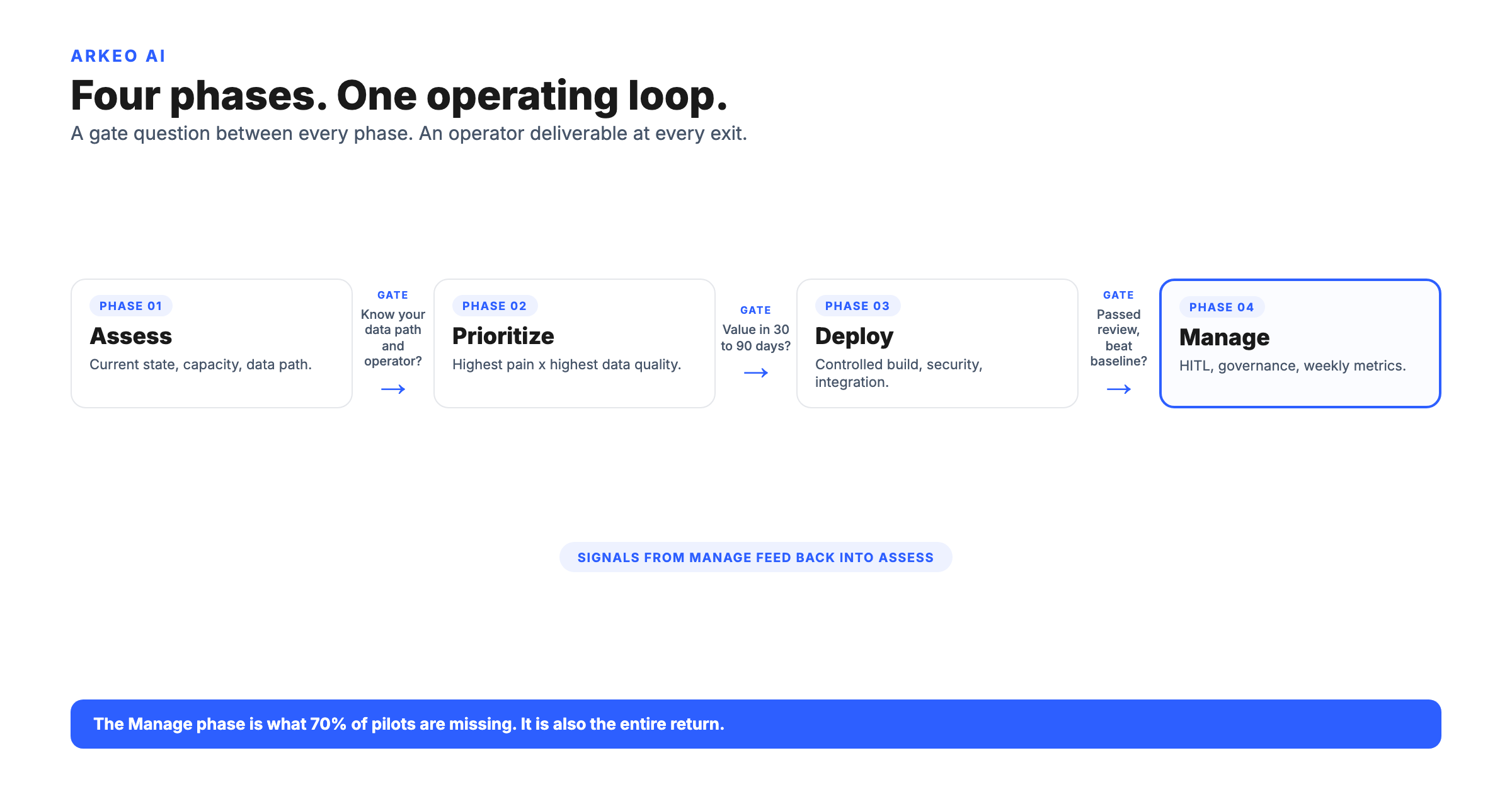
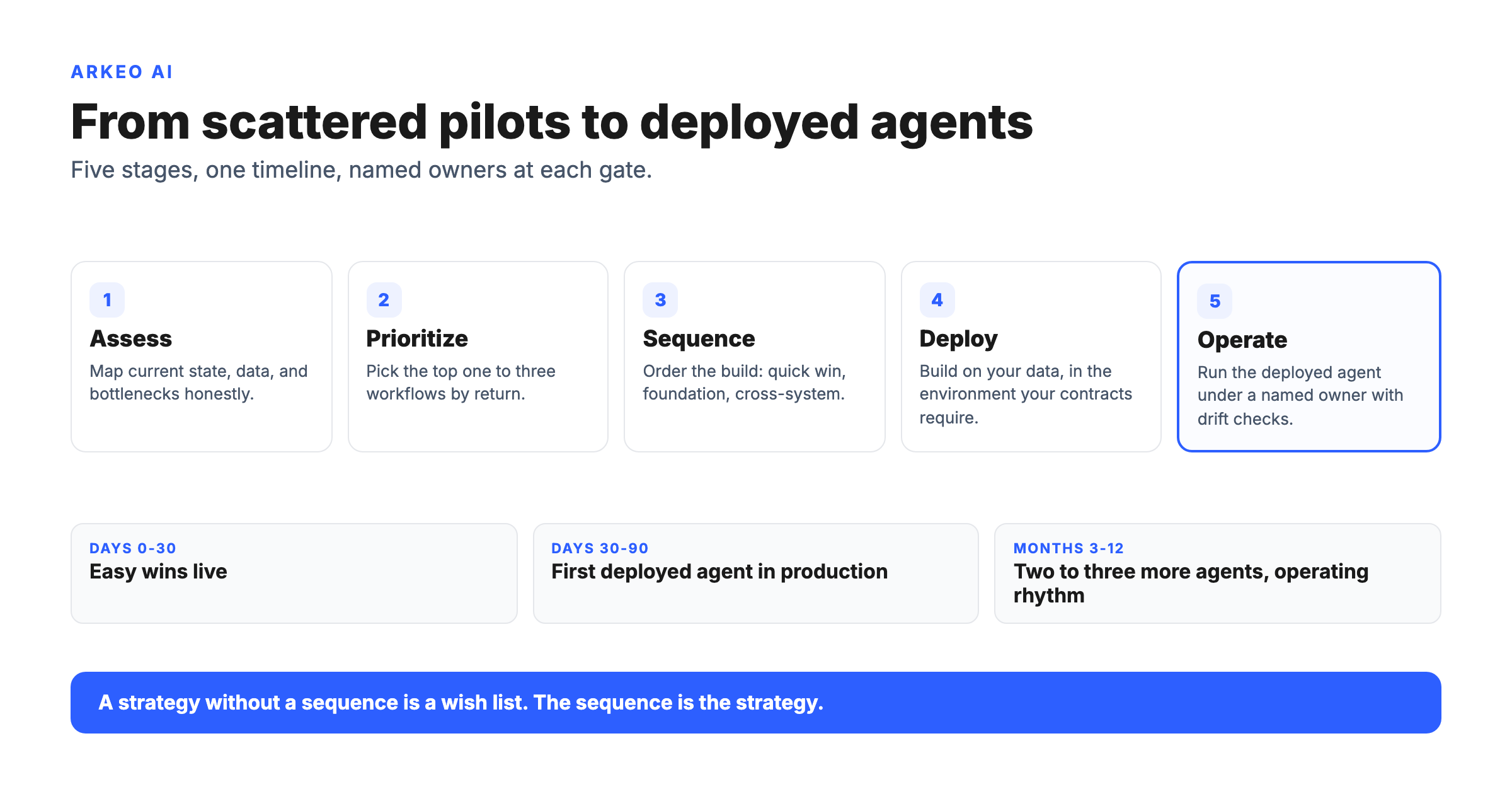
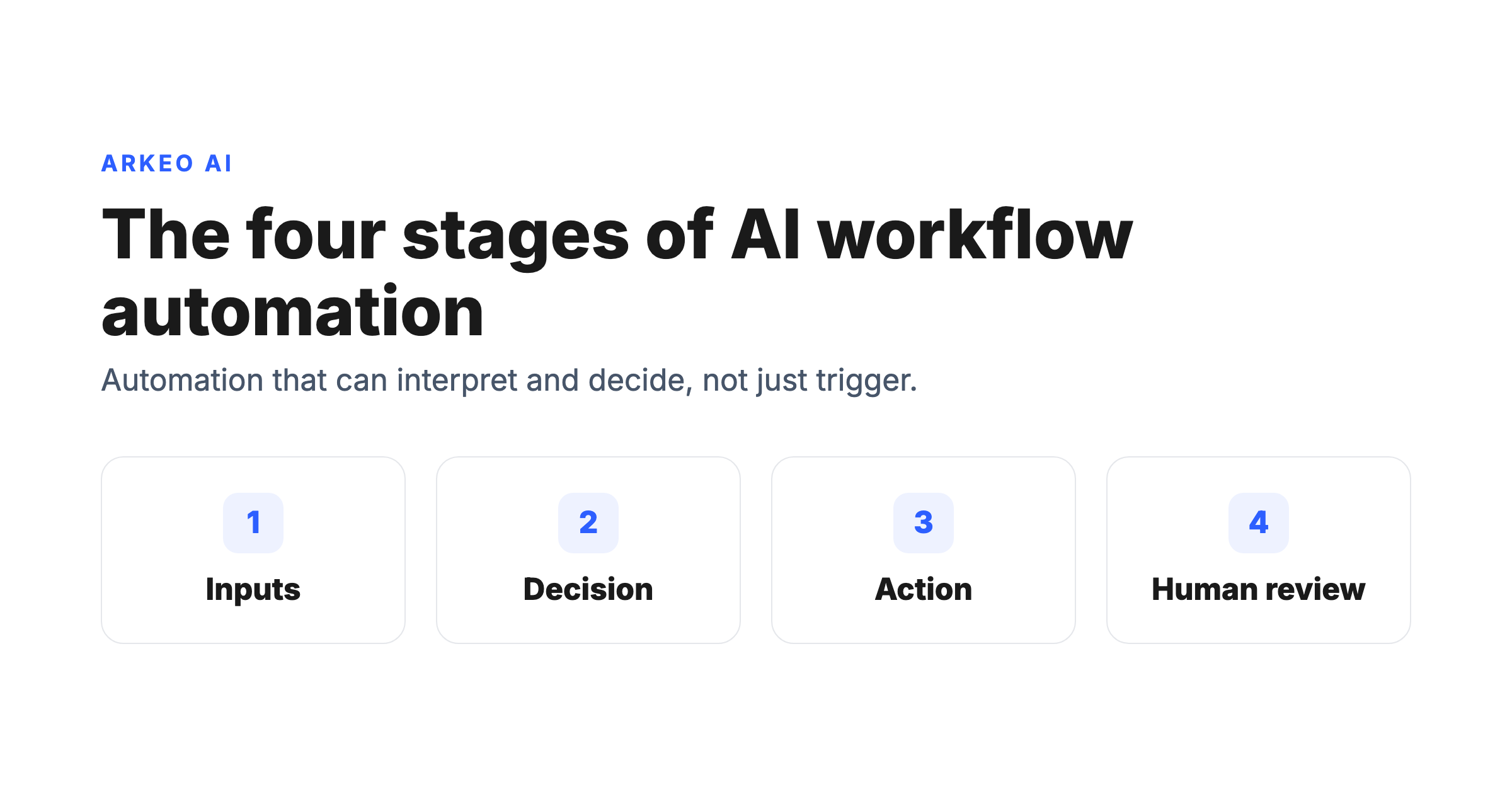
Deploying OpenClaw is more than running a Docker container. It requires mapping your business workflows. Here is the 4-step framework to build a secure, private AI workforce.
Construction
AI estimating tools cut bid prep time by 40-60% and hit 85-90% accuracy. Here is what works, where accuracy breaks down, and how to evaluate tools for your firm.
Step-by-step guide to deploying AI on your own servers. Hardware sizing, software stack, integration patterns, and a realistic 4-week timeline for mid-market companies.
Gartner predicts 40% of enterprise apps will include AI agents by end of 2026. Here is what agents actually do in business operations, which use cases deliver ROI, and why 40% of projects will fail.
Sixty-four percent of mid-market companies have now deployed at least one AI workload. The shift from cloud to private AI is accelerating because the economics changed, the risks became real, and the tools got simpler.
Your team is already using AI. The question is whether you chose that, or whether it just happened. Cloud AI and on-premise AI have fundamentally different cost structures, and most mid-market companies cross the on-premise break-even threshold faster than they expect.
On-premise AI keeps your data on your servers. Learn what it costs, who it's for, and what real results mid-market companies are seeing.
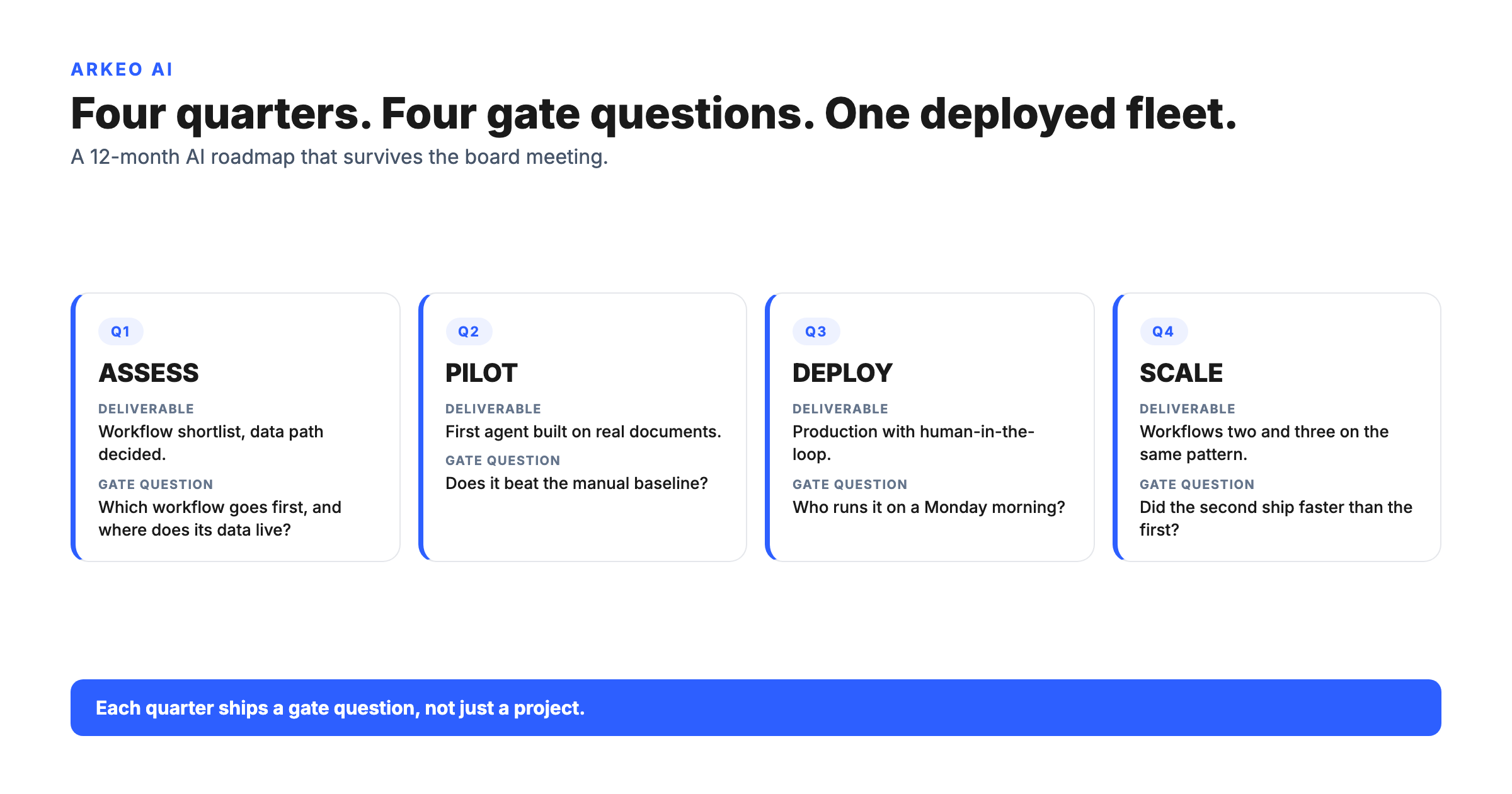
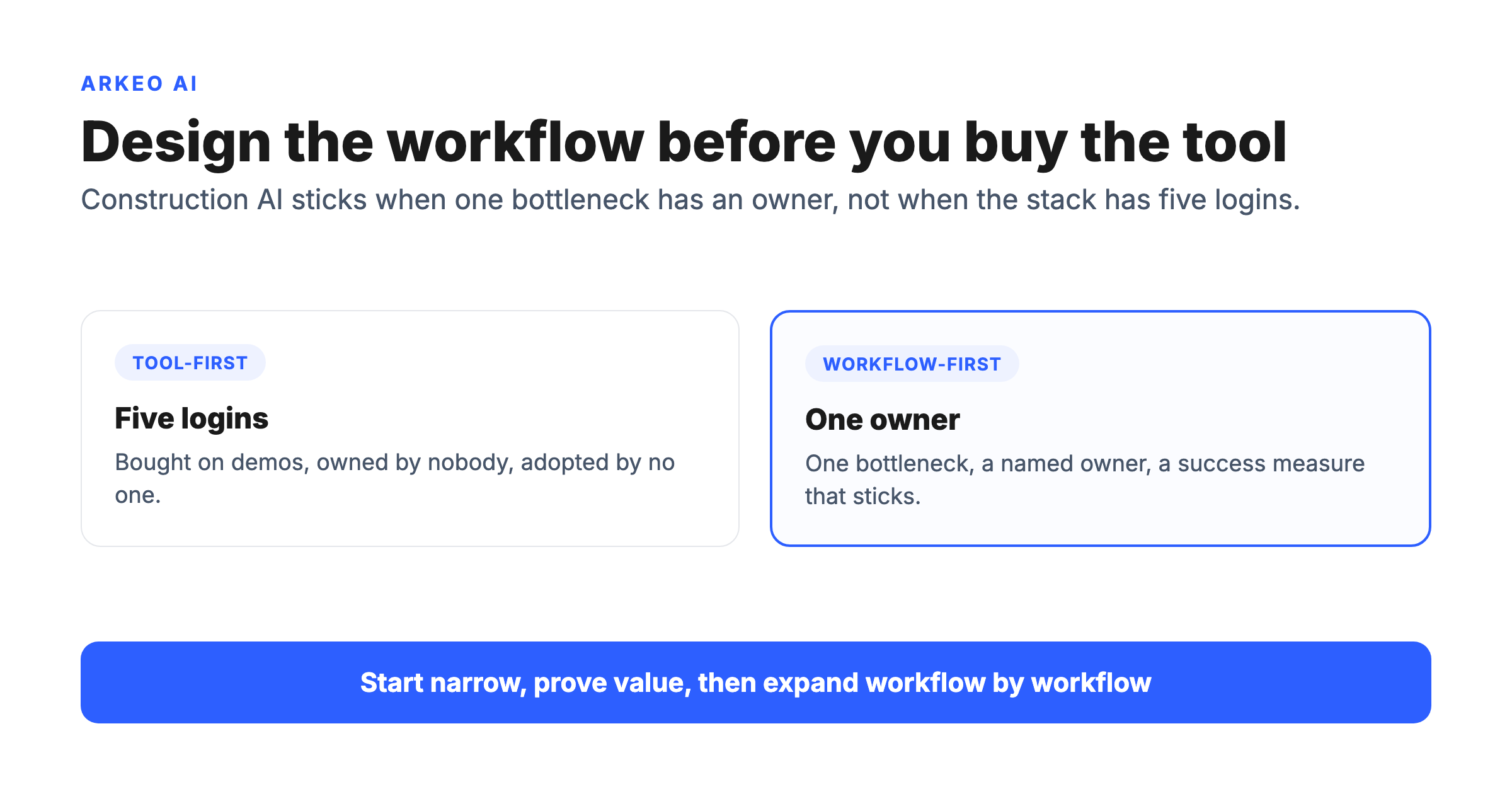
A practical AI implementation playbook for construction executives. Start with the audit, pick one high-friction workflow, prove the ROI, then scale.
Construction firms using AI for client communication are building trust at scale. Here is how automated updates and proactive alerts change the game.
AI-powered construction management tools improve project delivery by 20% and recover 500-1,000 hours yearly. Here is how predictive scheduling, progress monitoring, and resource allocation work in practice.
The AI in construction market reached $2.18 billion in 2026. Here are the four trends that matter most for contractors making deployment decisions today.
AI adoption is surging in construction. But the firms turning it into a lasting competitive edge are doing something most aren't. Here's the difference.
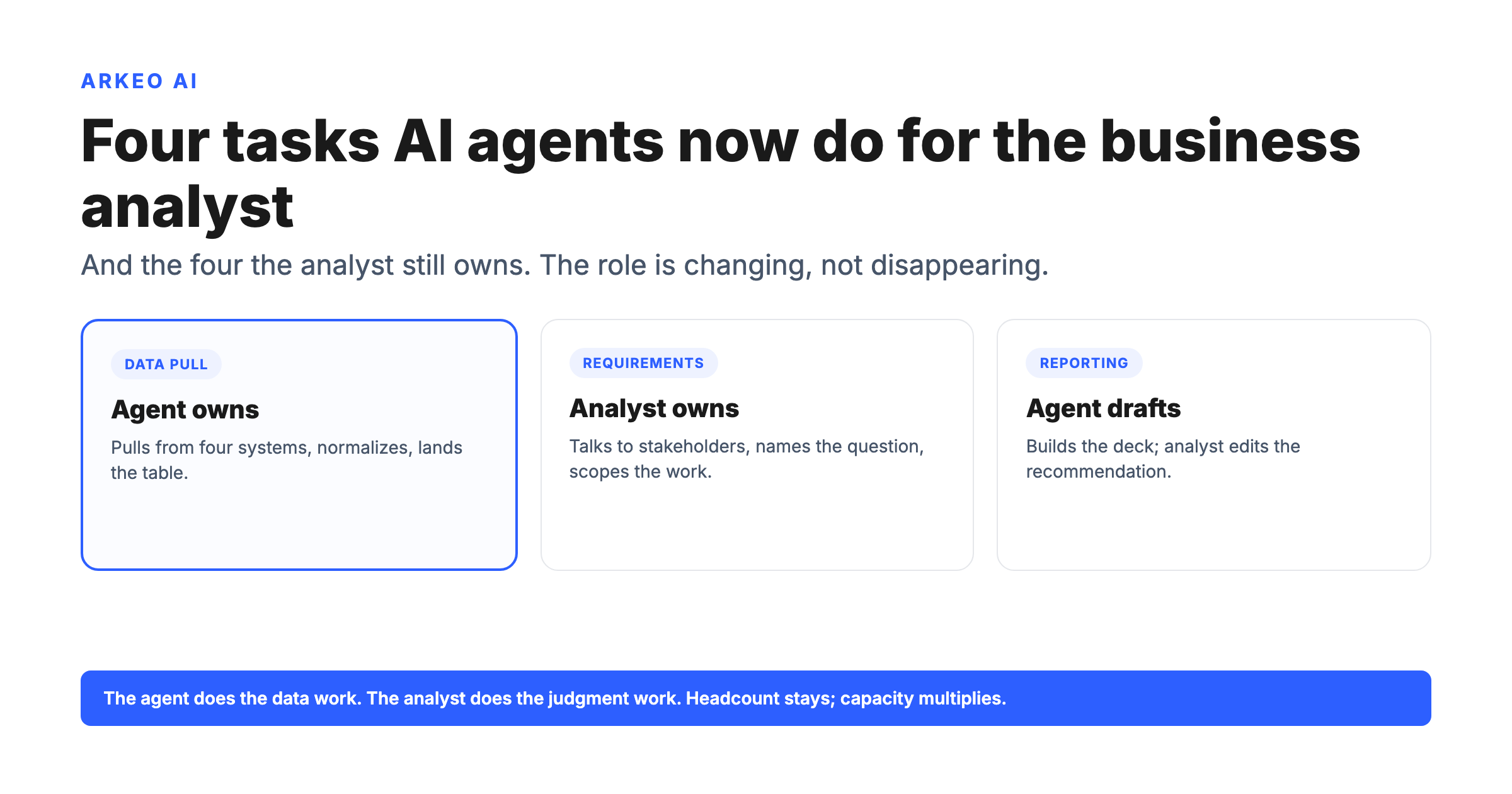
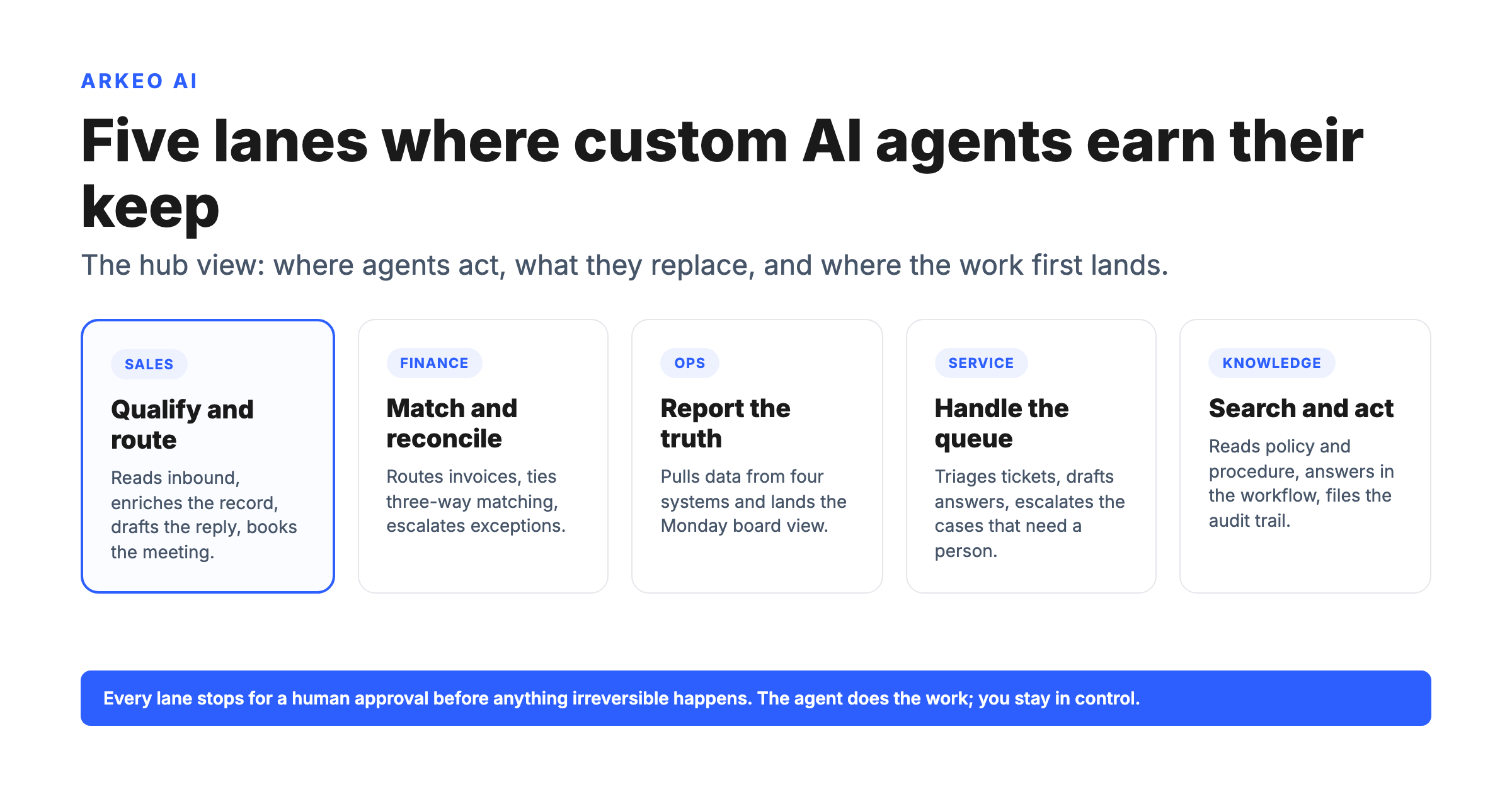
AI agents that do real operational work inside your business. How specialized agent teams are replacing generic AI tools across every department.
AI isn't coming for construction jobs. It's coming for the inefficiencies. Here's how the smartest firms are using it to win more and waste less.
AI adoption in construction doubled in 2026. Here is what is working in estimating, safety, scheduling, and document processing, with real data from firms deploying it.
Book a 15-minute call to discuss your AI situation. If it makes sense, we’ll scope an assessment.