Blog › AI
AI in Business: AI
Insights on private AI, on-premise deployment, and building AI systems you actually own.
 AIWhat is OpenClaw? A Guide for Business OperatorsOpenClaw is an open-source agent operating system that allows mid-market companies to run secure, private AI workforces directly on their own infrastructure.
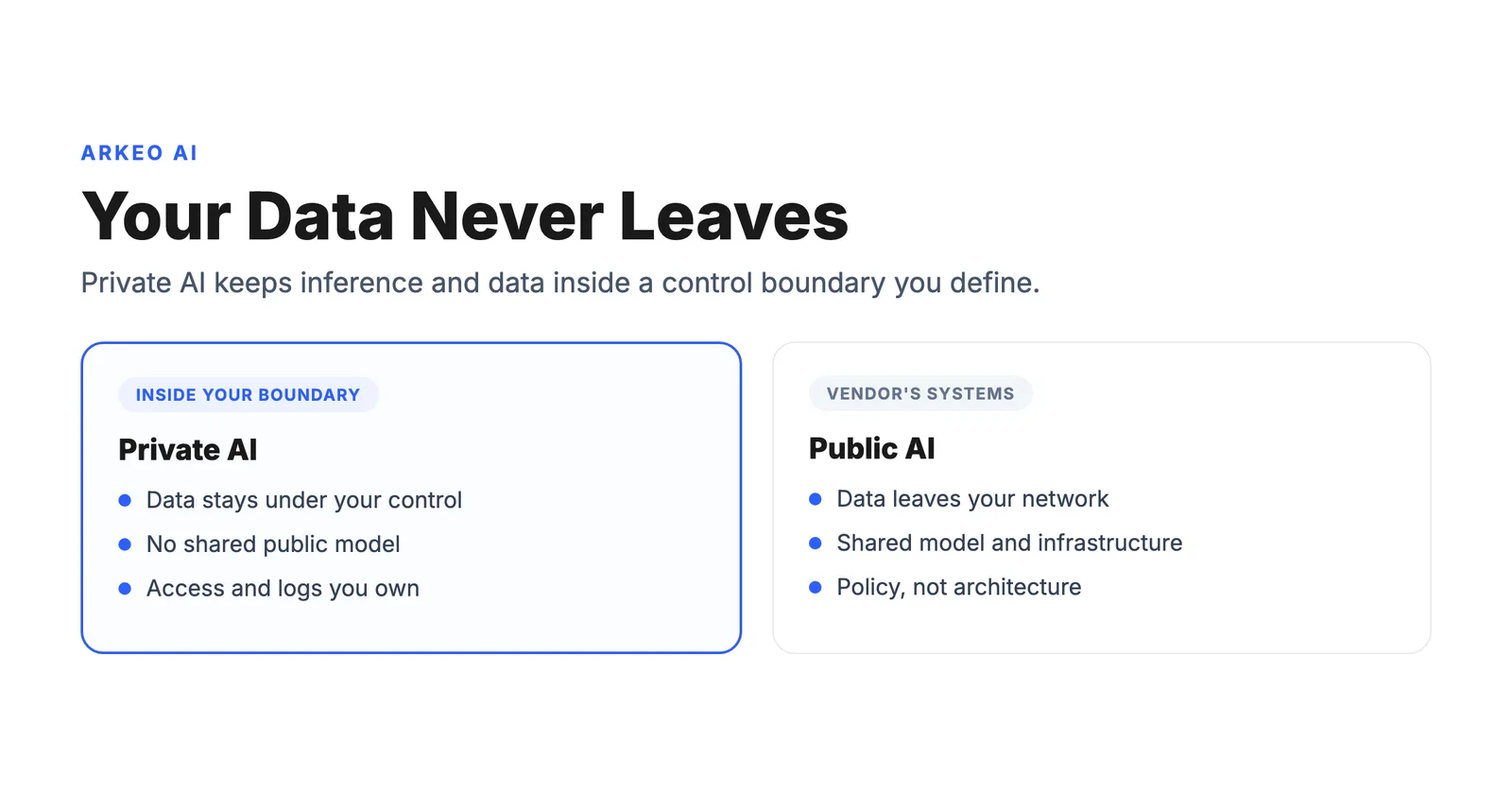 Private AIWhat Private AI Means for BusinessA buyer-focused guide to private AI: what the term actually means, how it differs from public AI, the spectrum of deployment models from vendor-managed to self-hosted, and how to choose the one that fits your data, team, and workflows.
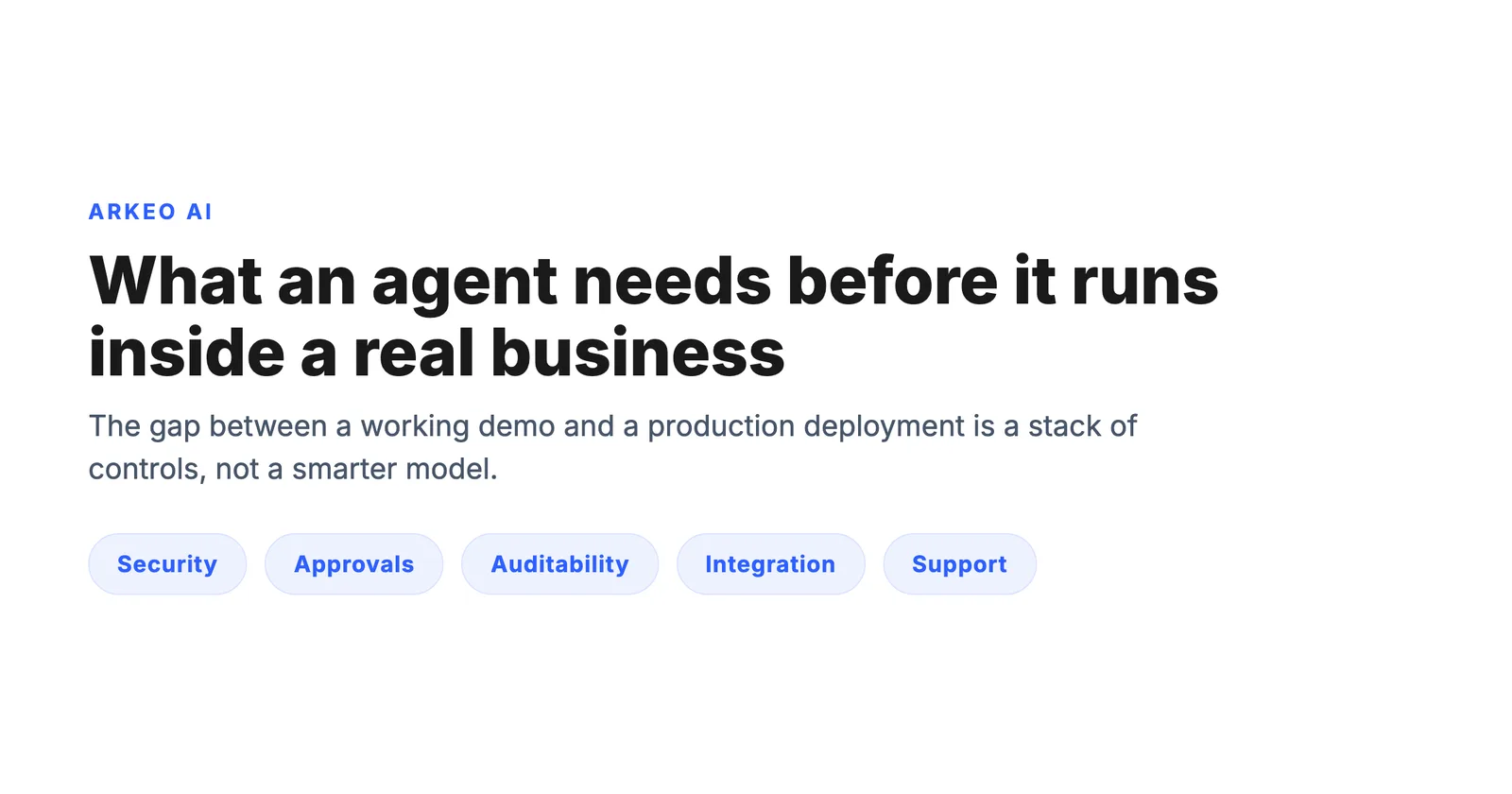 AIWhat Makes an AI Agent Enterprise-ReadyEnterprise AI agents are defined by their controls, not their features. A guide to security, approvals, auditability, integration, and support, in operator terms.
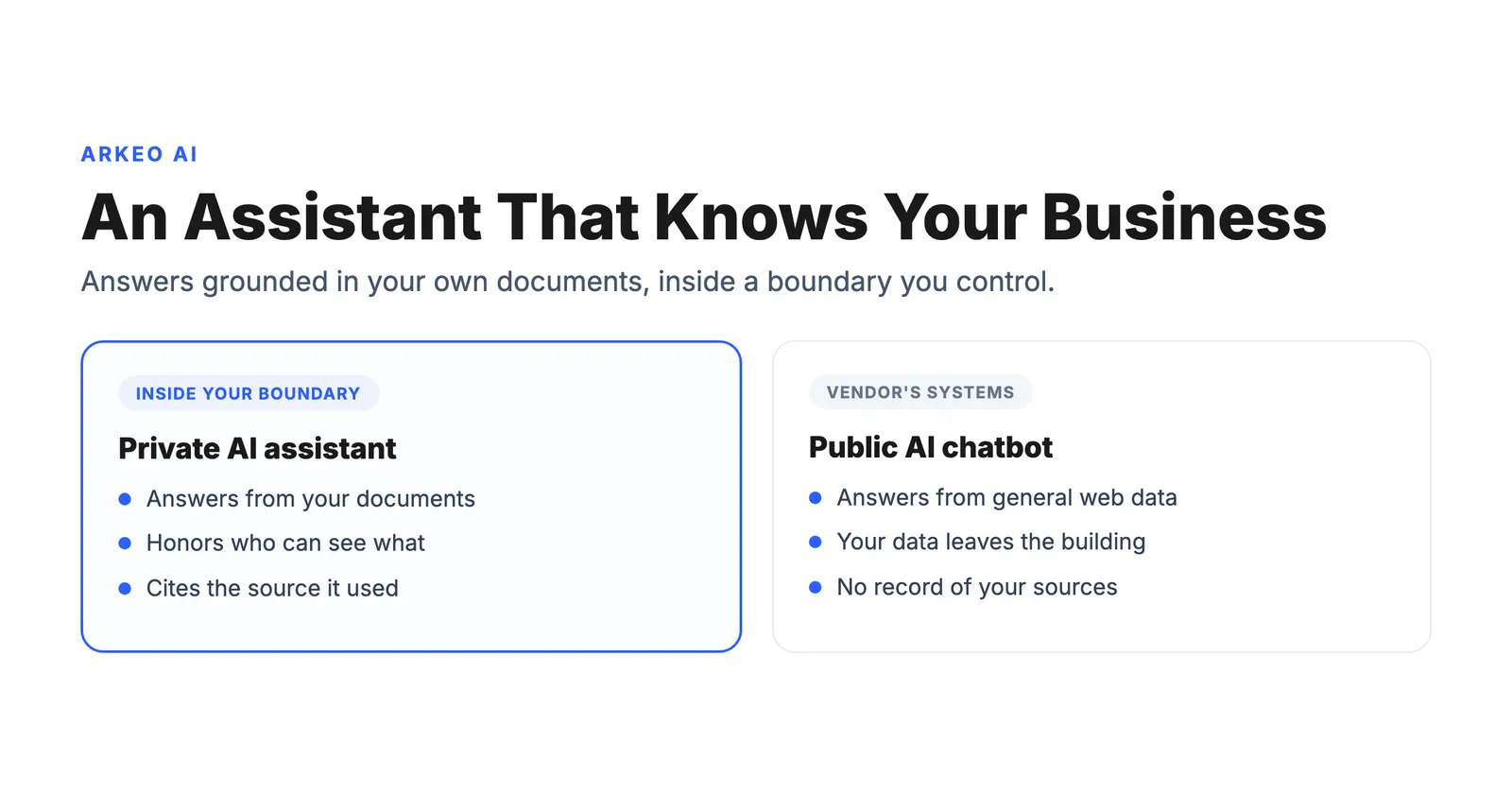 Private AIWhat a Private AI Assistant Does for a BusinessA use-case buyer guide to the private AI assistant: what it actually does, how it differs from a public chatbot, when it is worth deploying, and what to get right before rollout.
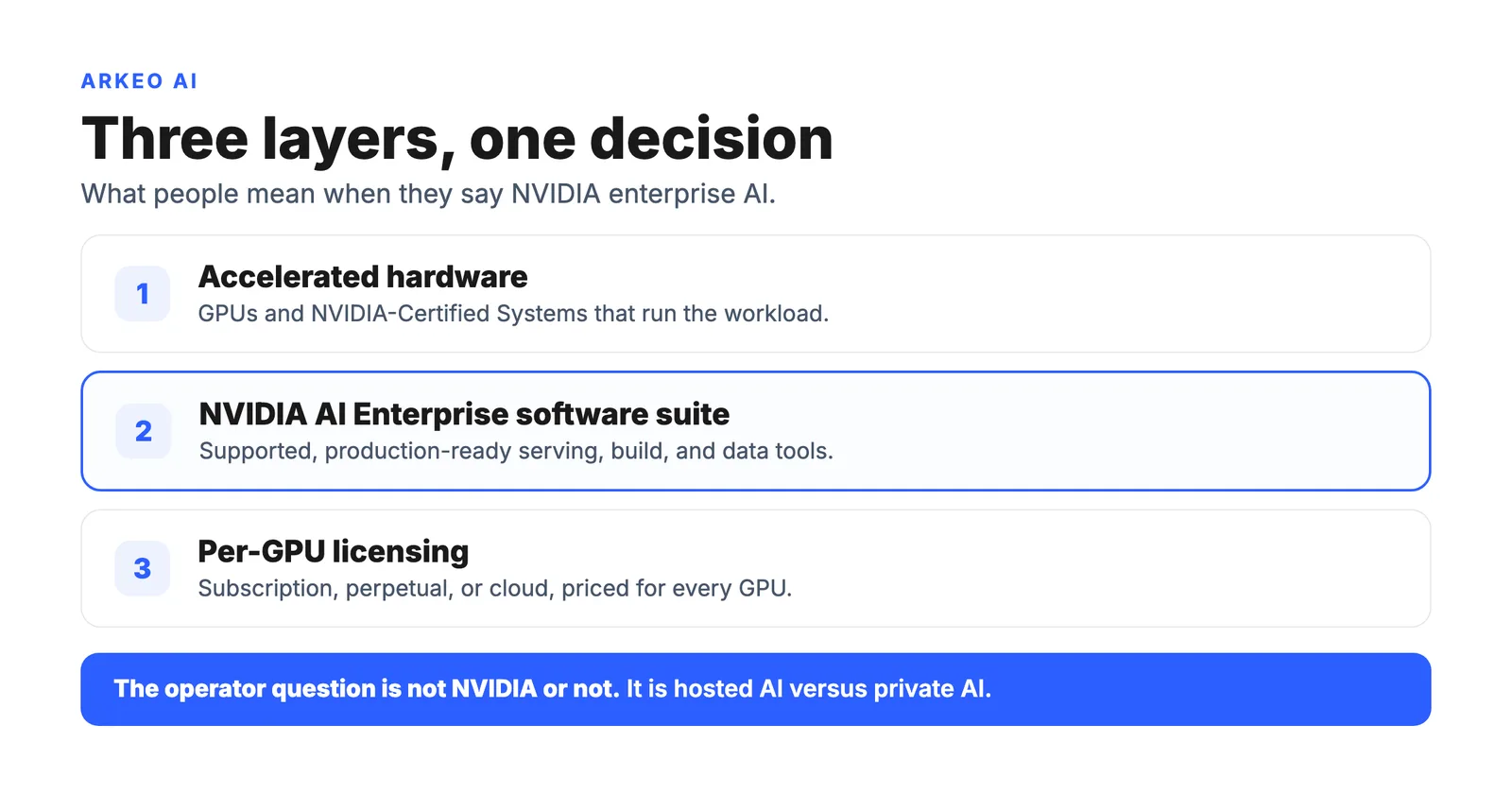 AINVIDIA Enterprise AI: A Mid-Market GuideNVIDIA Enterprise AI is a three-layer stack: accelerated hardware, the NVIDIA AI Enterprise software suite, and per-GPU licensing. Here is what it costs and when a mid-market business actually needs it versus a hosted AI tool.
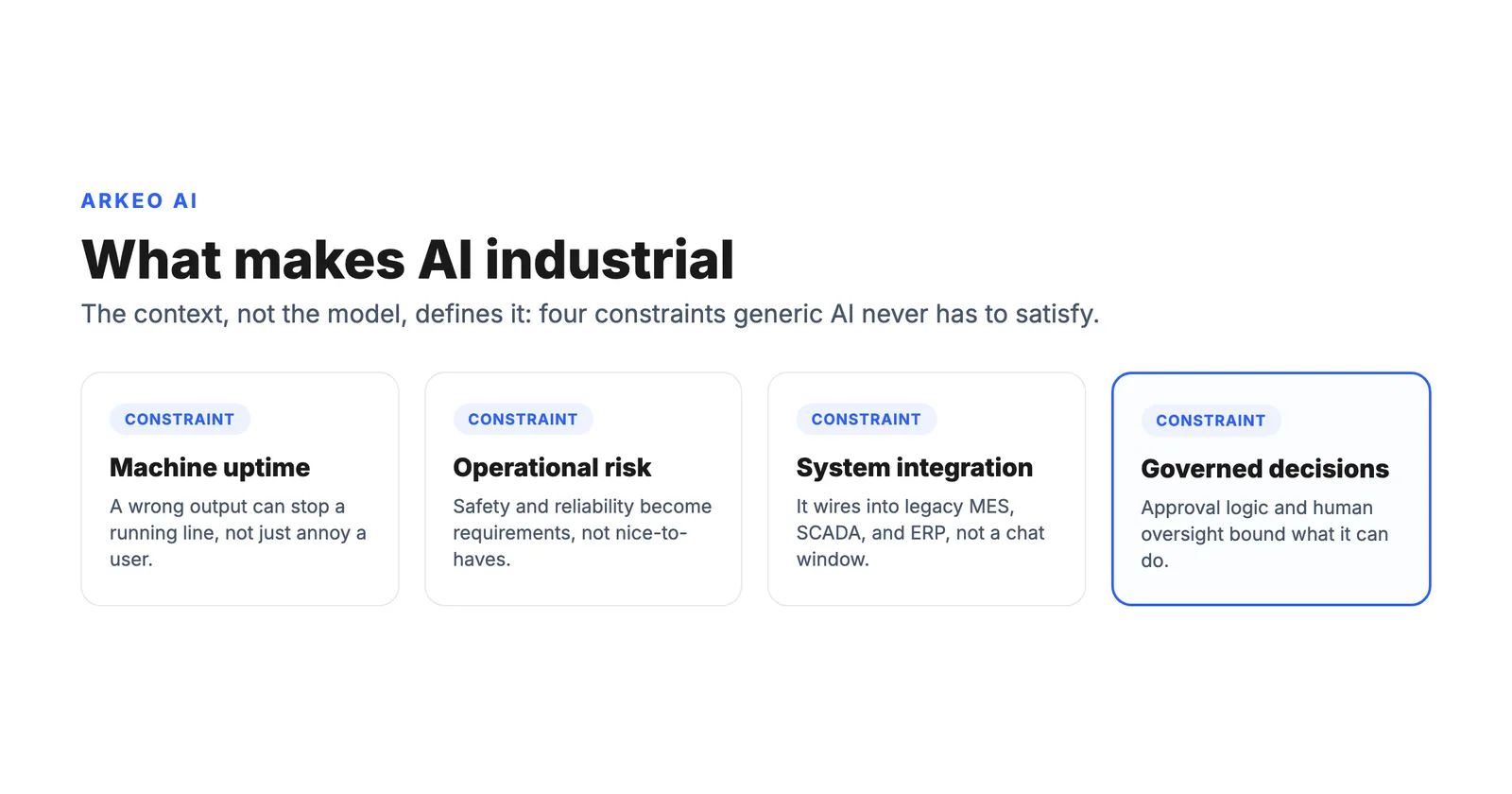 AIIndustrial Artificial Intelligence, DefinedA systems-level definition of industrial artificial intelligence: what makes AI industrial, why uptime, operational risk, and legacy MES, SCADA, and ERP integration govern the design, and when sensitive data, latency, and governance force private or hybrid deployment.
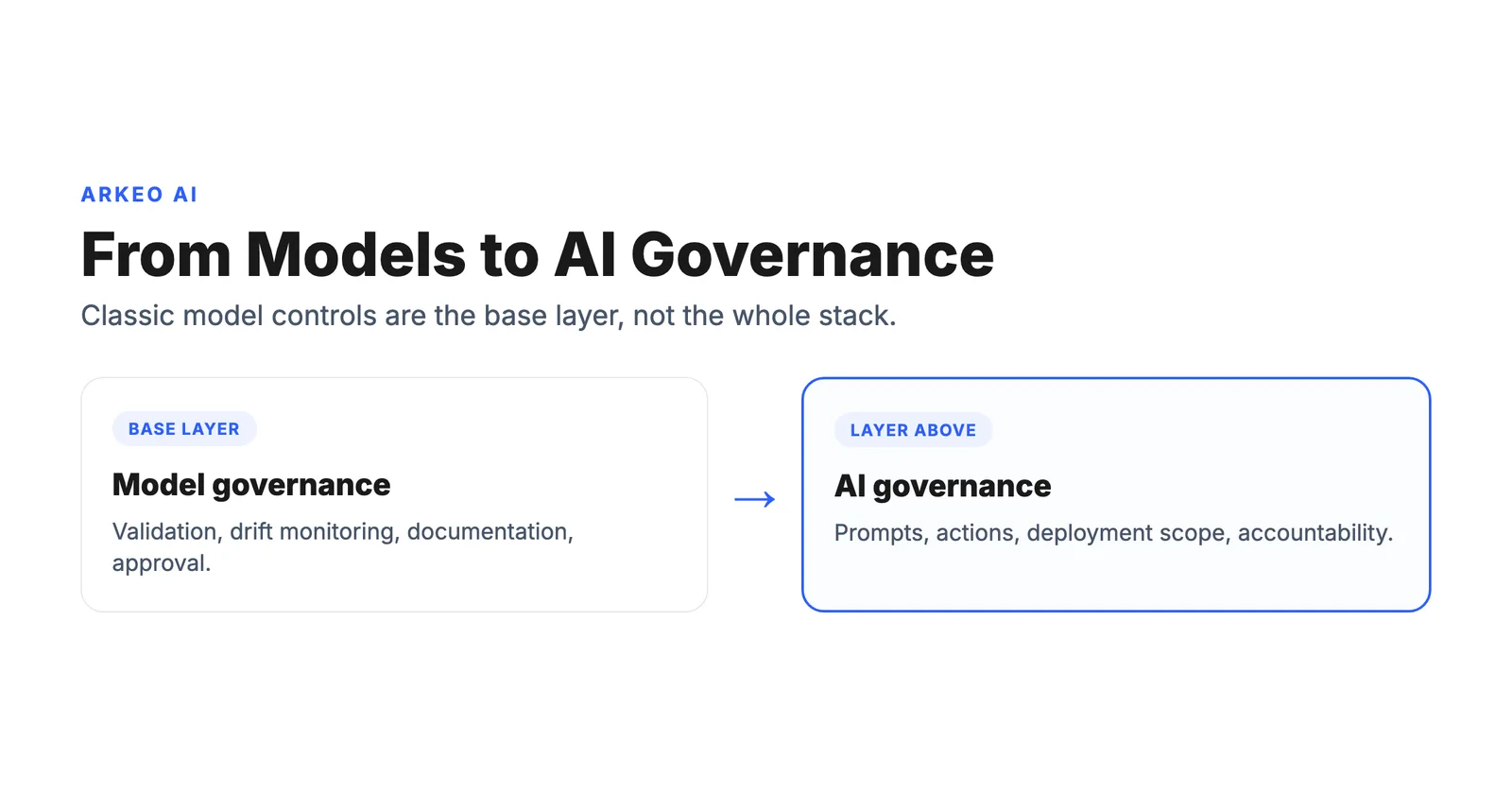 AIMachine Learning Model Governance ExplainedWhat machine learning model governance covers, why classic controls like validation and drift monitoring are necessary but no longer sufficient, and how to slot old and new governance layers into one operating model.
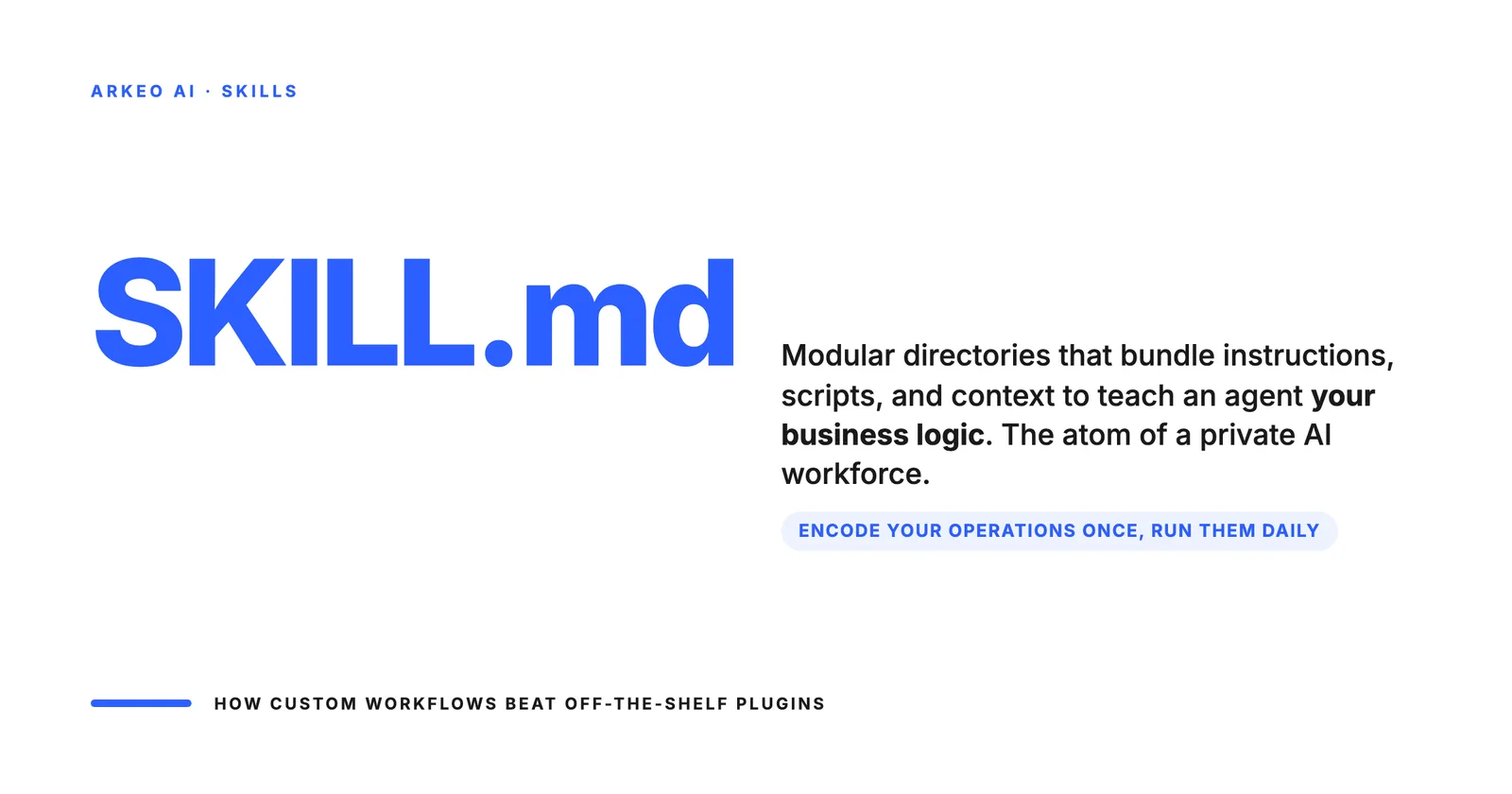 AIOpenClaw Skills: Building Your Custom AI WorkforceStop writing endless chat prompts. Learn how OpenClaw skills act as permanent digital onboarding to turn a generic AI into a specialized operational agent.
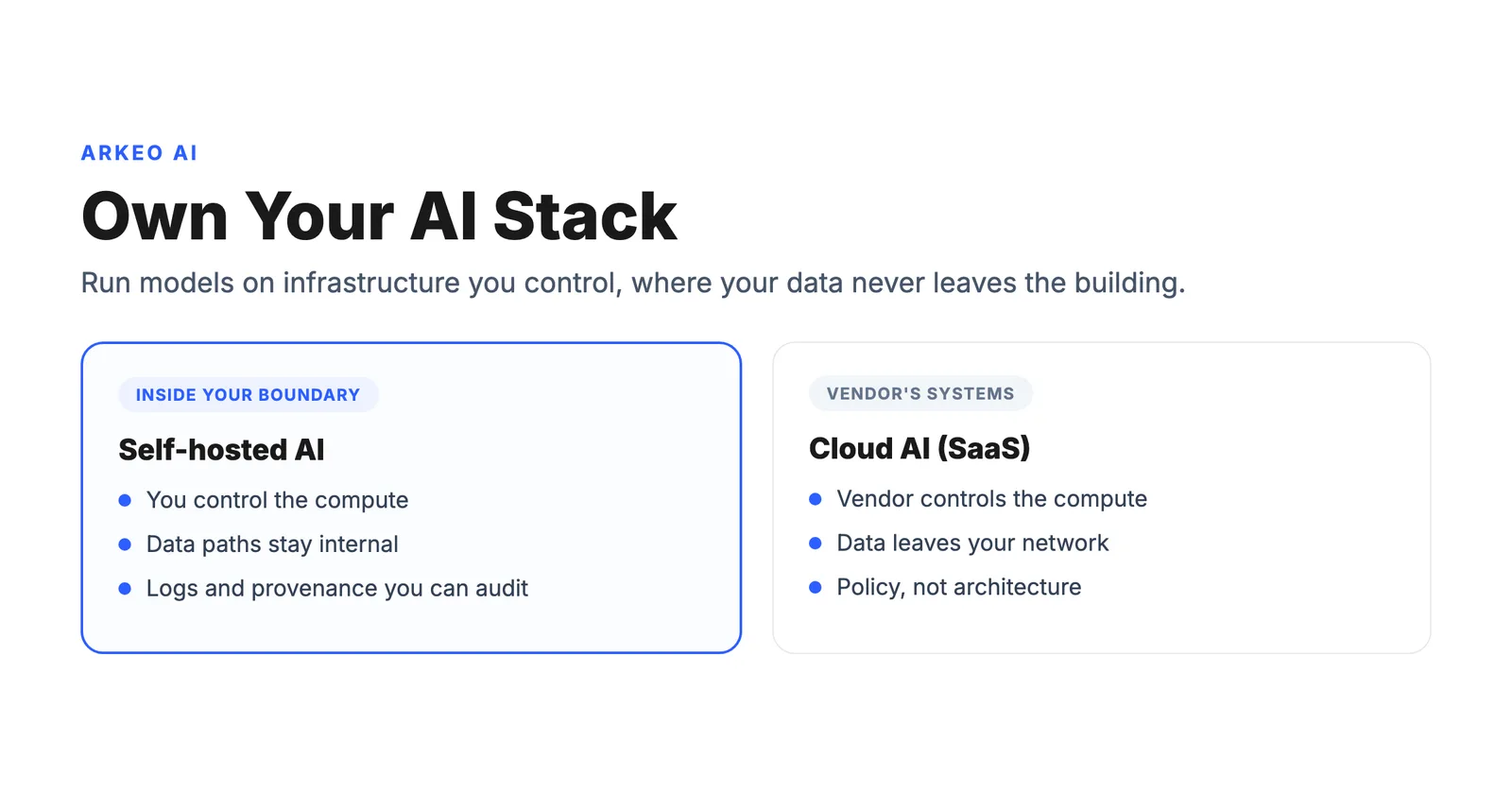 AIWhat Self-Hosted AI Means for BusinessA business-focused guide to self-hosted AI: what it actually means, when running models on infrastructure you control is justified, the tradeoffs nobody mentions, and how to choose between self-hosted, private, hybrid, and cloud deployment.
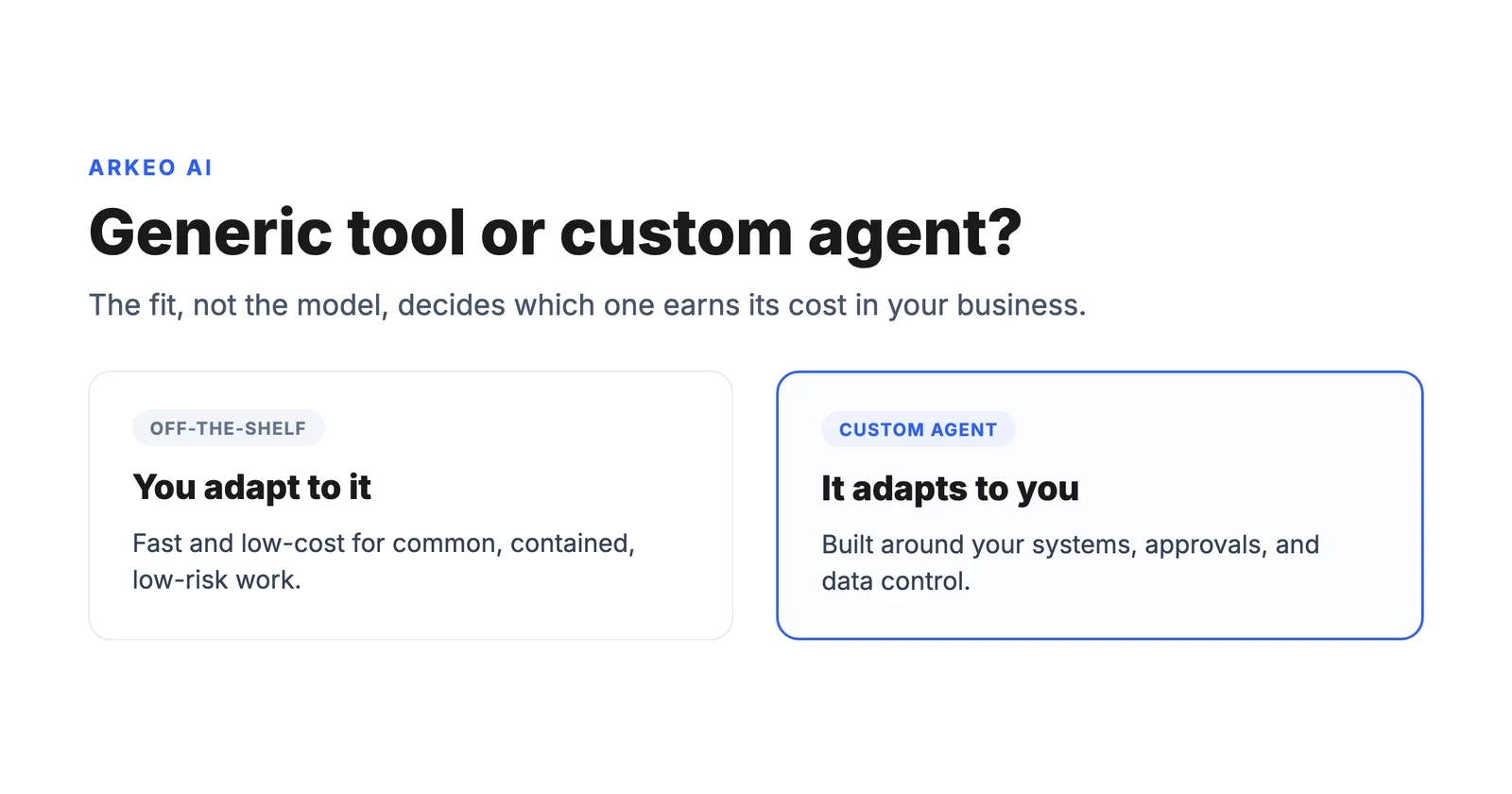 AICustom AI Agents: When a Tailored Build Pays OffWhen generic AI tools stop fitting your systems, approvals, and data rules, a custom AI agent earns its cost. Here is how to decide.
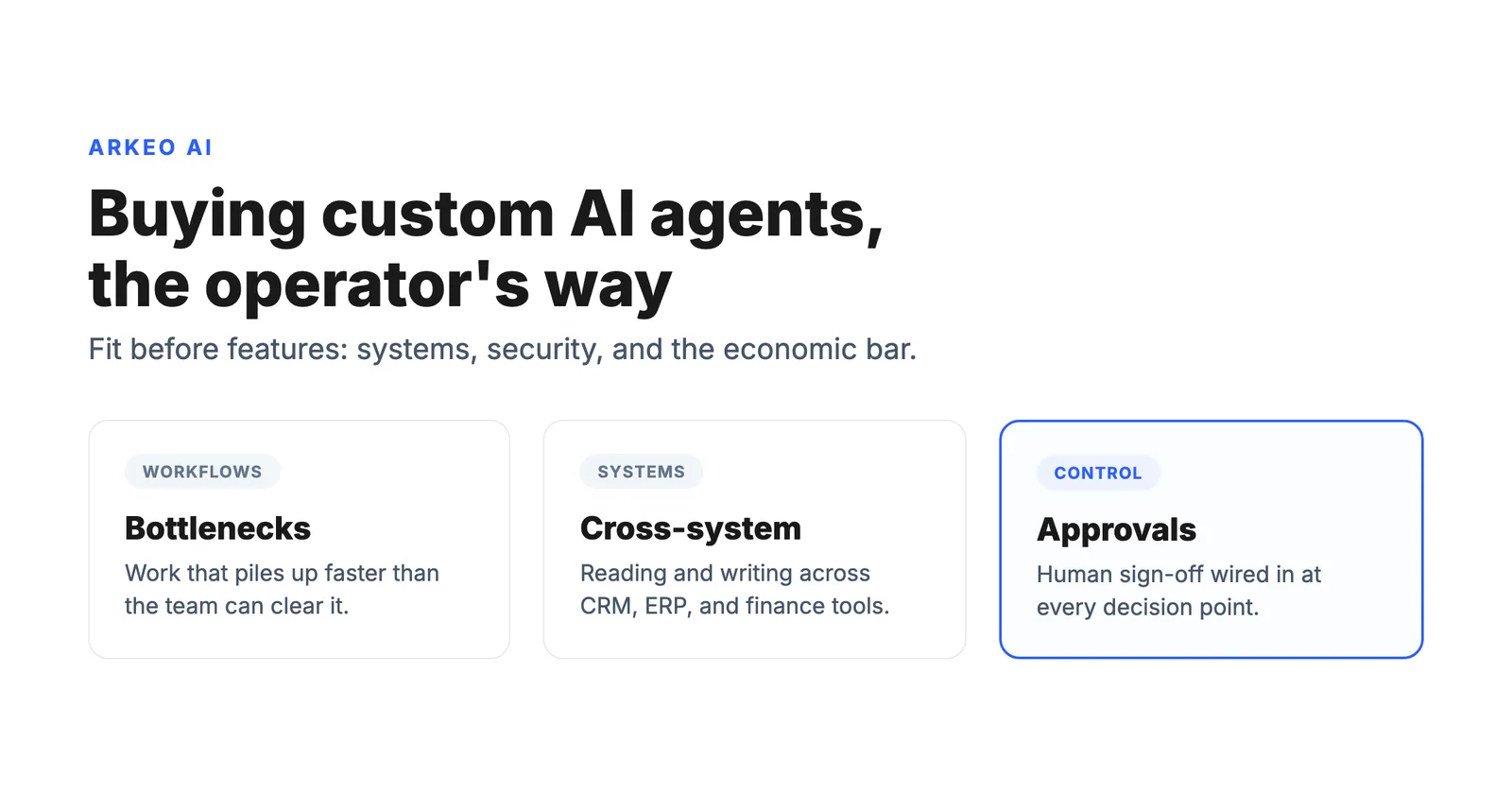 AICustom AI Agents for Business: A Buyer's GuideWhen custom AI agents for business actually pay off: real workflow examples, the buying criteria that matter, the questions to ask a delivery partner, and what a successful 30/90/12-month rollout looks like.
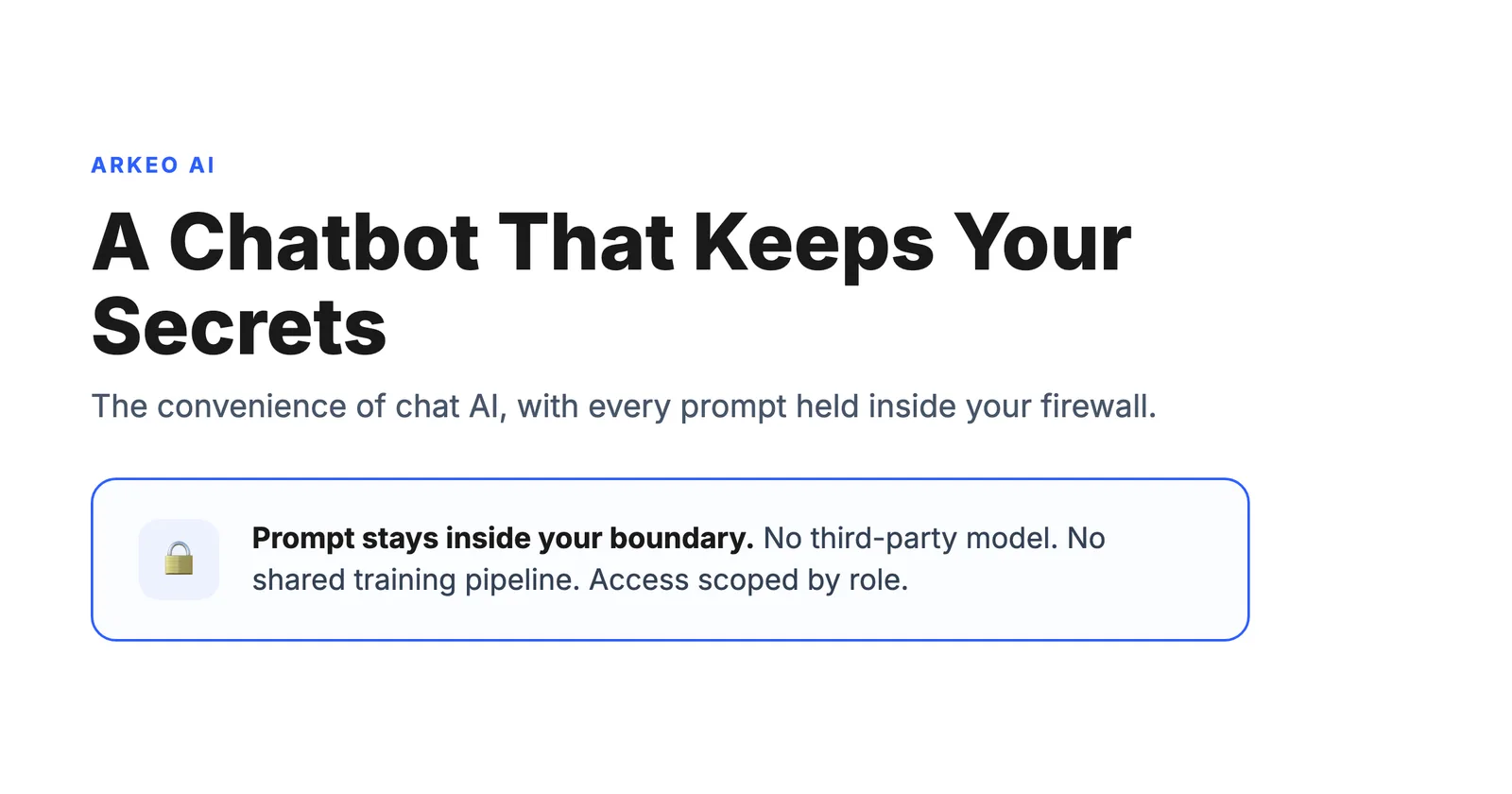 Private AIPrivate AI Chat: A Secure Internal AssistantPrivate AI chat gives your team a ChatGPT-style assistant without sending prompts to a public model. Here is where it fits, where it falls short, and how to deploy it safely.
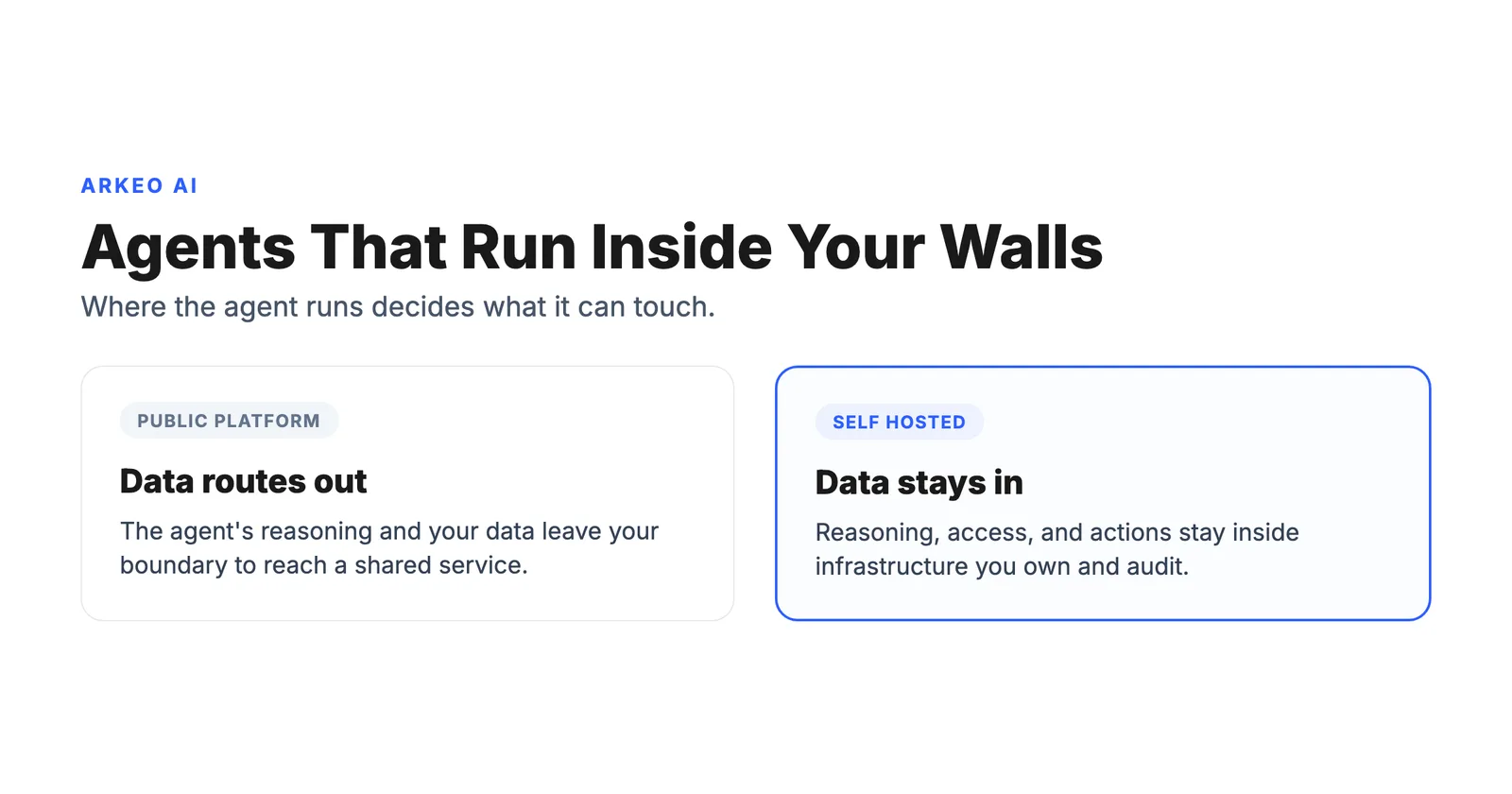 AISelf-Hosted AI Agents: When To Run Them InsideWhen self-hosted AI agents make sense, what they connect to, the governance they need, and how to decide if the complexity is worth it.
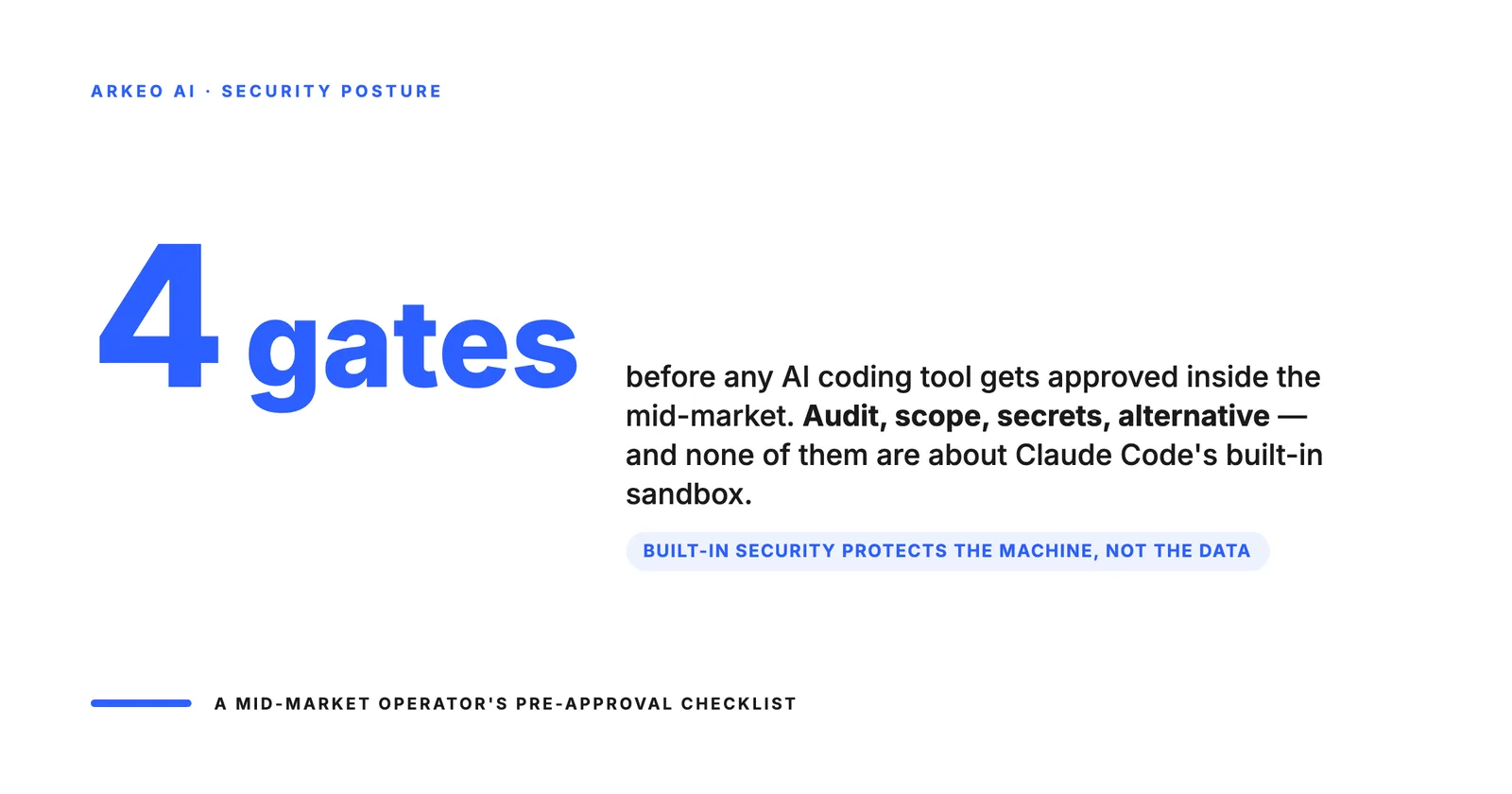 Private AIClaude Code Security: A Mid-Market Operator's GuideClaude Code's built-in security features protect your local machine from the AI, but they do not stop your source code, schemas, and IP from leaving the building. The pre-approval checklist mid-market operators need before any AI coding tool gets a green light.
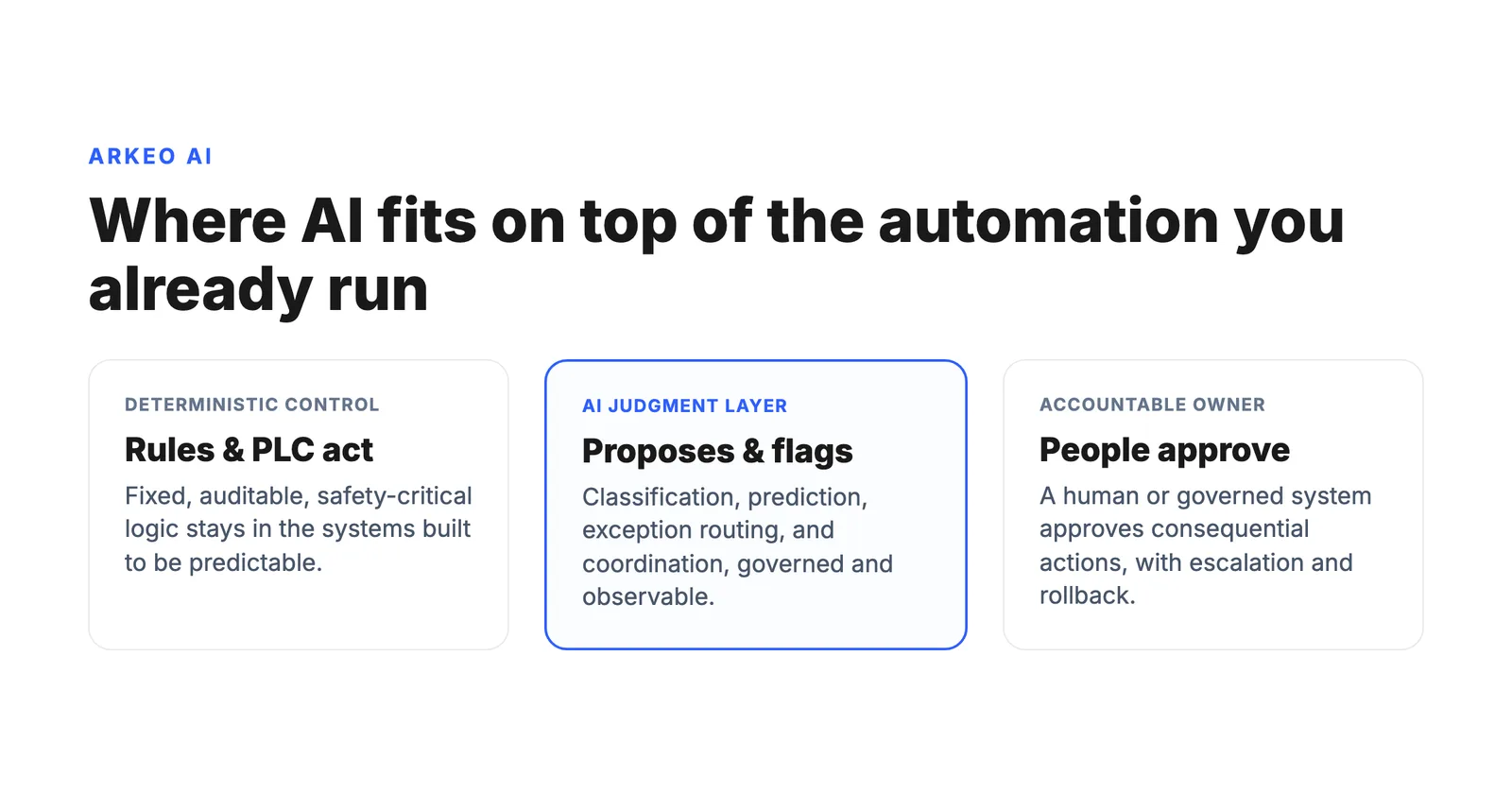 AIAI Industrial Automation: The Judgment LayerAI industrial automation adds a judgment layer on top of deterministic control. Learn where it pays, where rules-based systems still win, and how to deploy it with approvals, escalation, observability, and rollback.
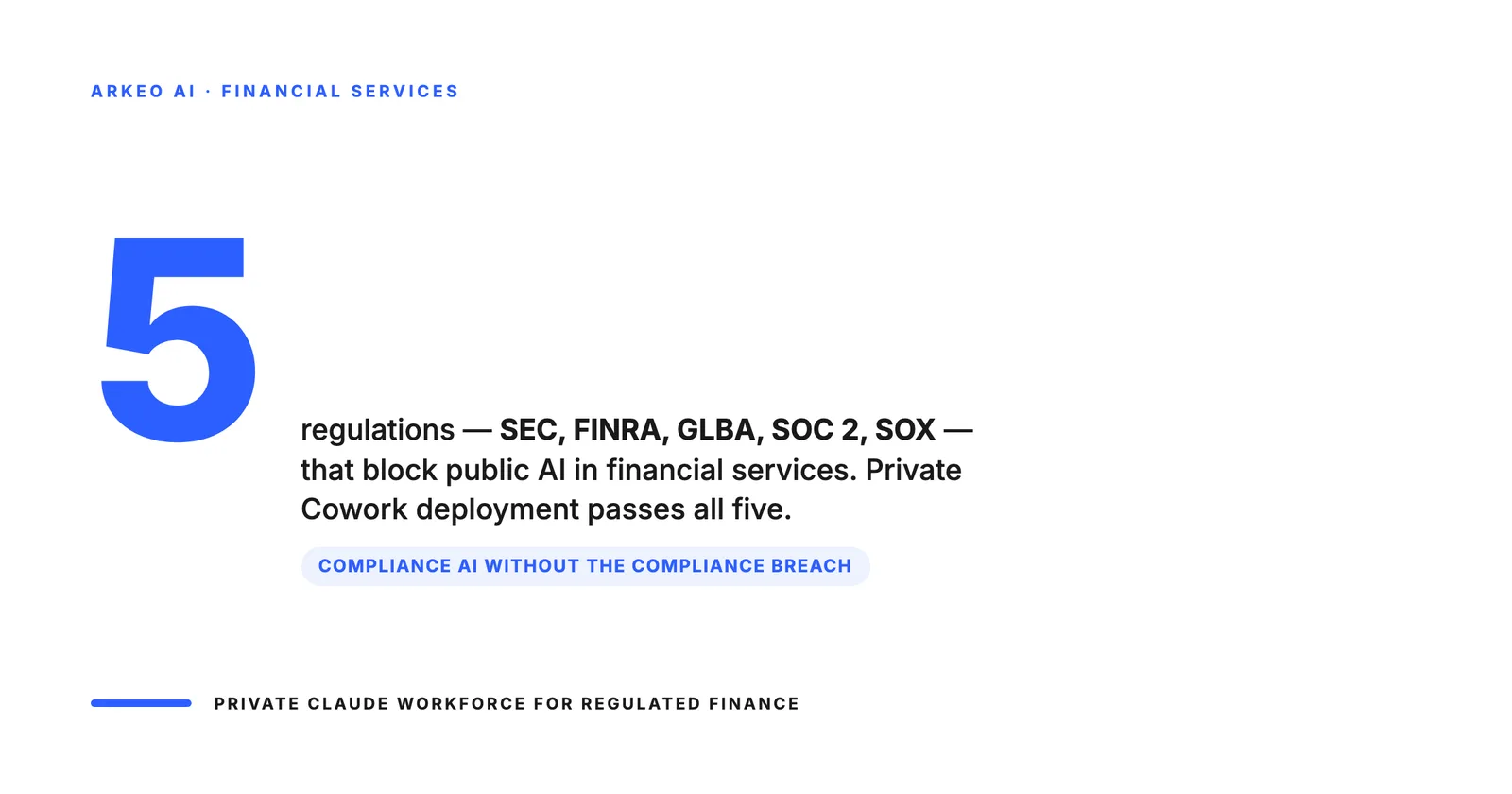 Private AIClaude Cowork in Financial Services: Compliance AIFinancial services firms need AI, but standard cloud models fail strict compliance and data sovereignty rules. Learn how to deploy a private Claude AI workforce.
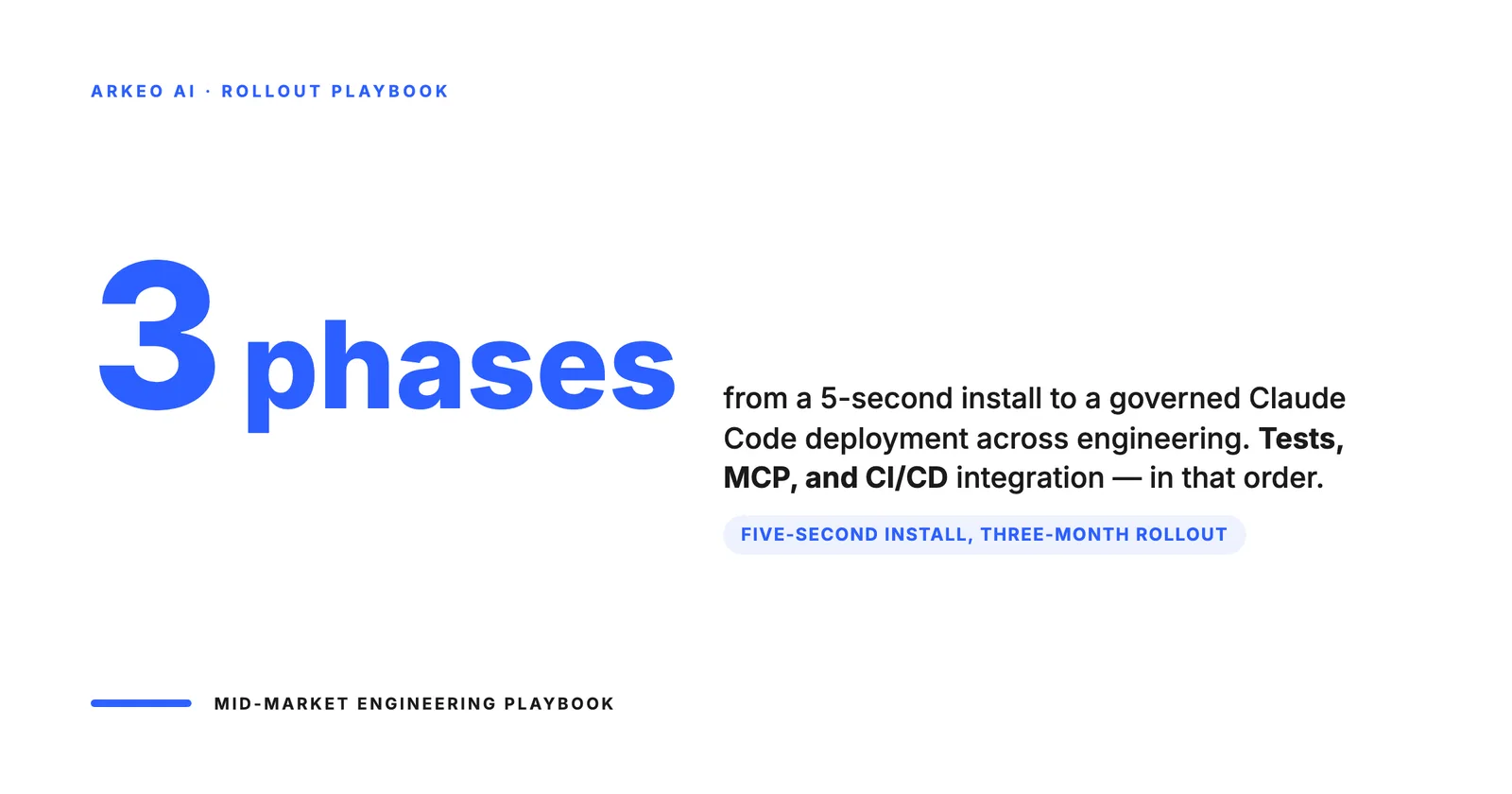 Private AIClaude Code Install and Rollout: Mid-Market PlaybookInstalling Claude Code takes five seconds. A safe mid-market rollout takes a real playbook. The three phases that protect your codebase, the testing prerequisites your agents will expose, and the governance discipline that separates a successful deployment from a science experiment.
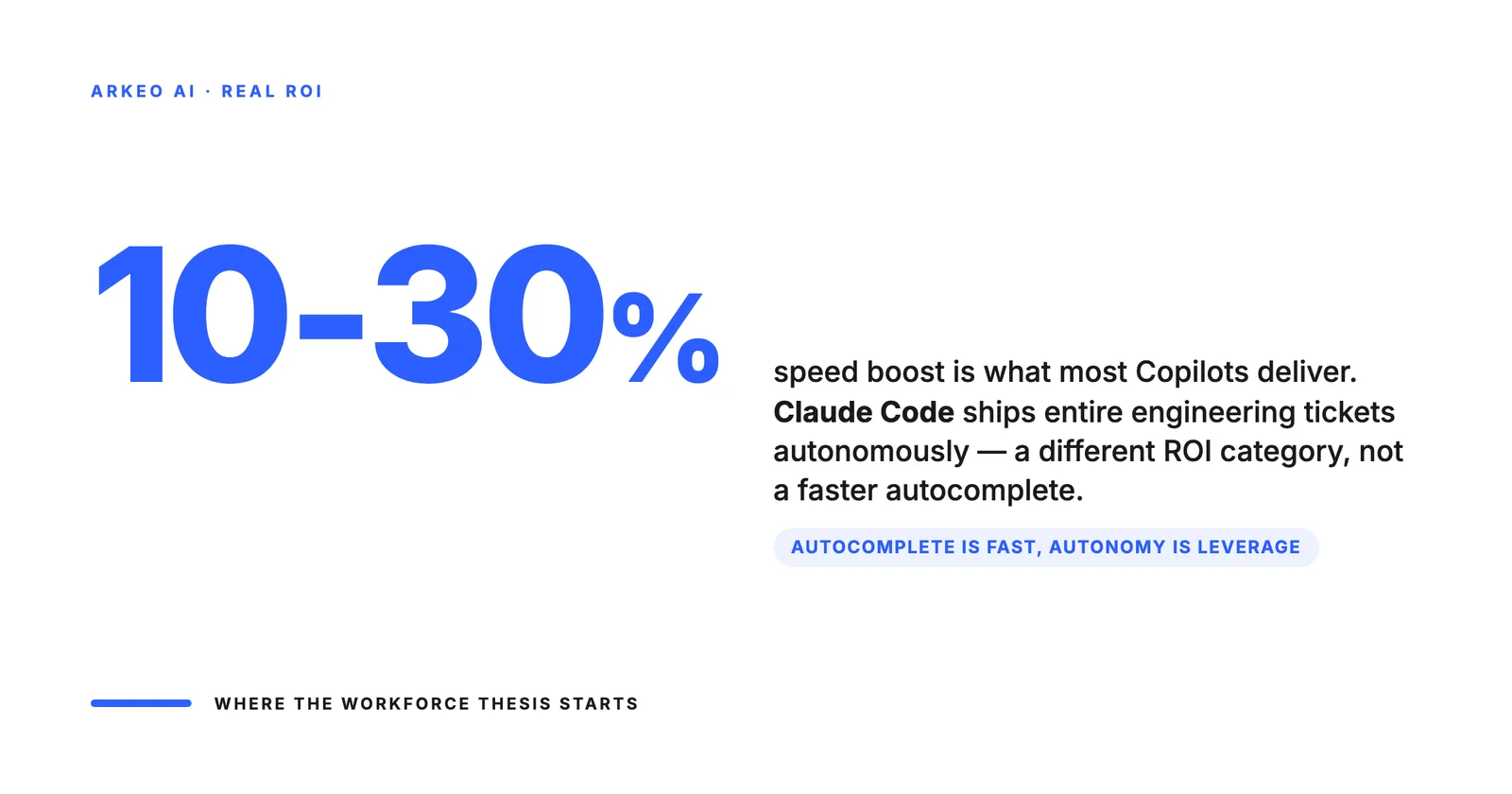 Private AIClaude Code Agents vs Copilots: The Real ROI DifferenceStop buying Copilots and hoping for massive ROI. Discover how autonomous Claude Code agents execute entire workflows and become a true private AI workforce.
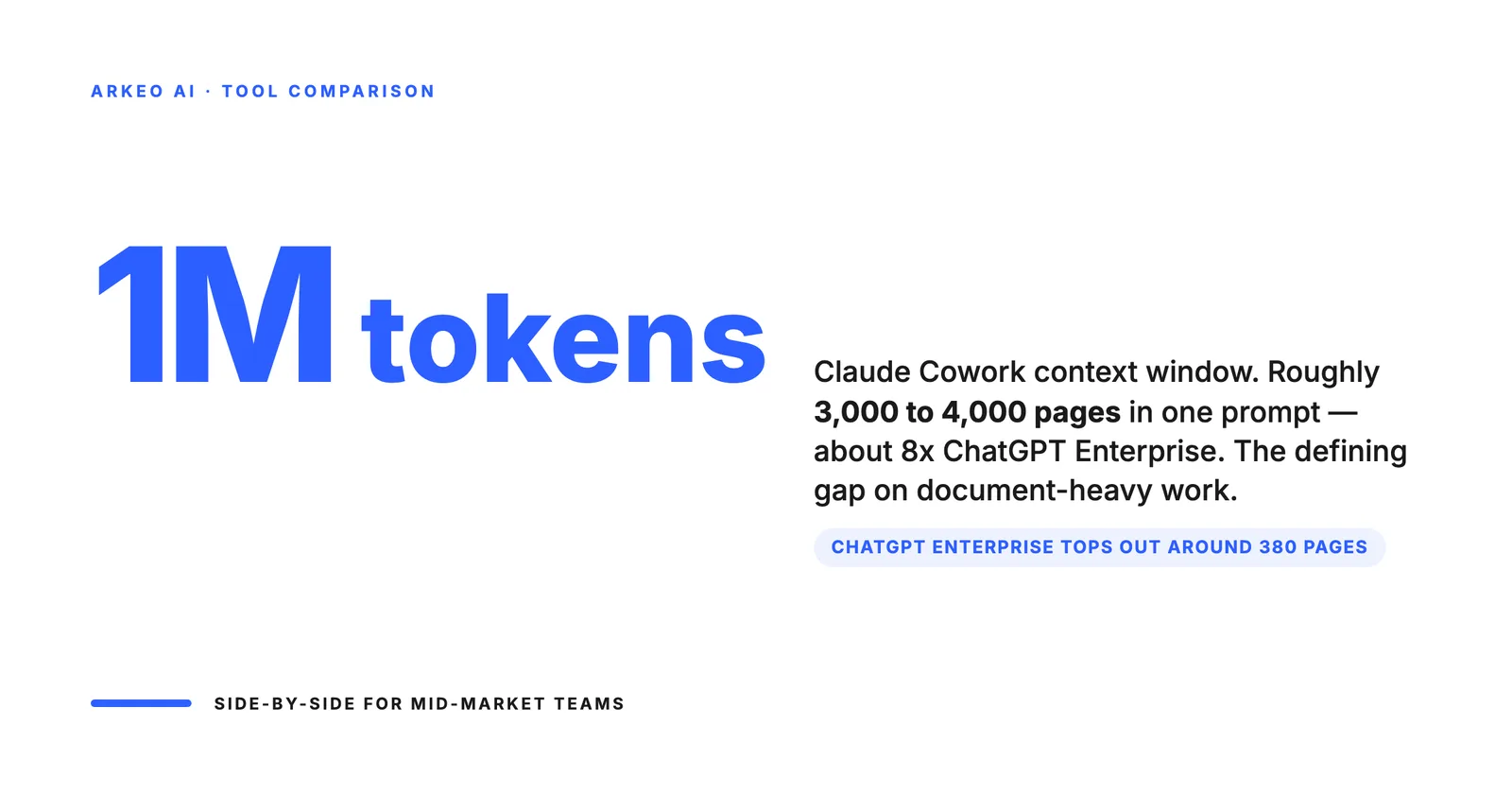 Private AIClaude Cowork vs ChatGPT Enterprise: 2026 Comparison GuideClaude Cowork vs ChatGPT Enterprise compared on the criteria that decide the buy: file-native autonomy vs ecosystem integration, retrieval accuracy, real pricing tiers, and the data sovereignty risk both platforms still carry by default.
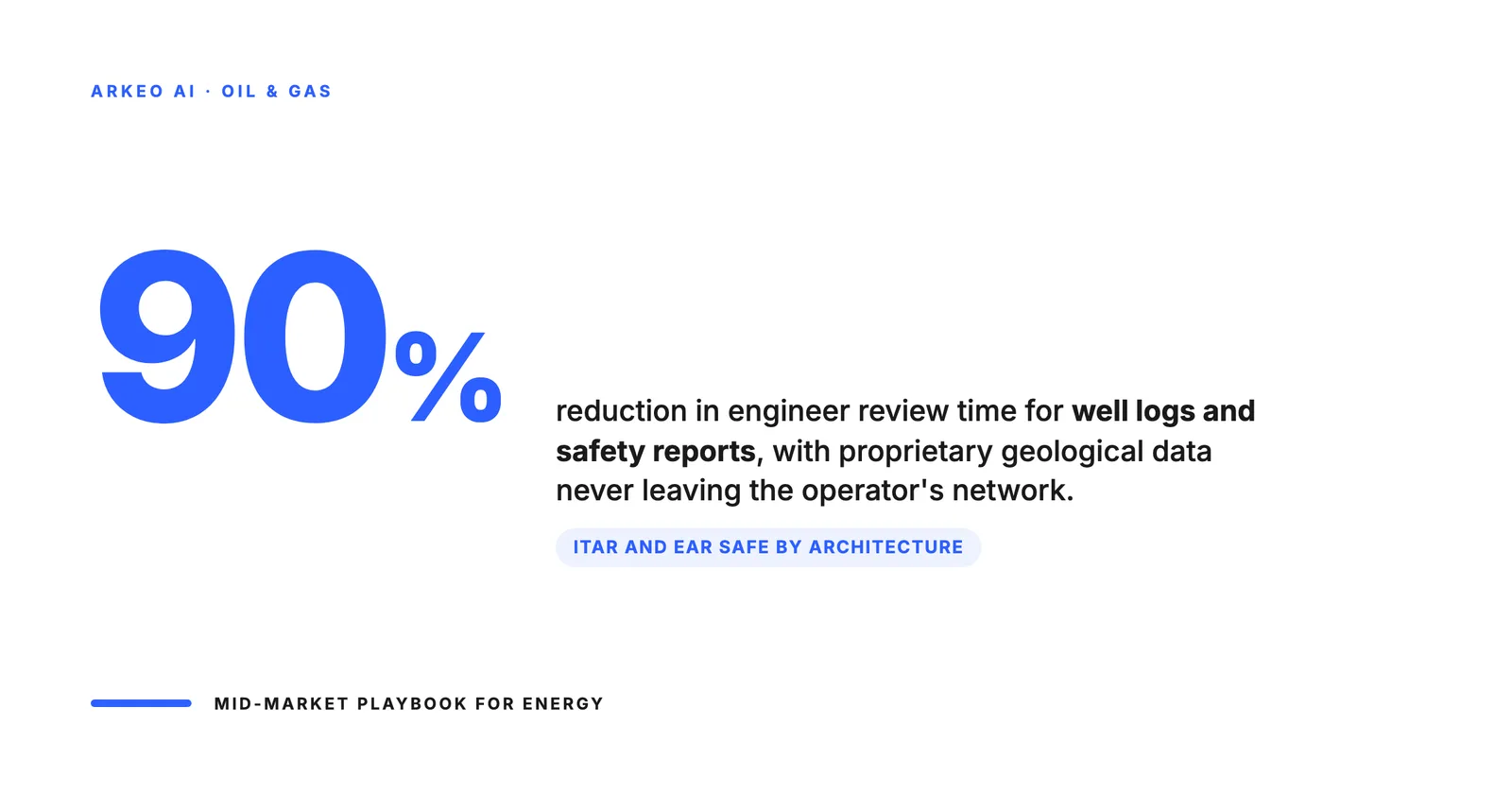 Private AIClaude Cowork in Oil & Gas: Mid-Market PlaybookDeploying Claude Cowork in a private AI workforce allows mid-market oil and gas operators to process complex data while ensuring absolute security and IP protection.
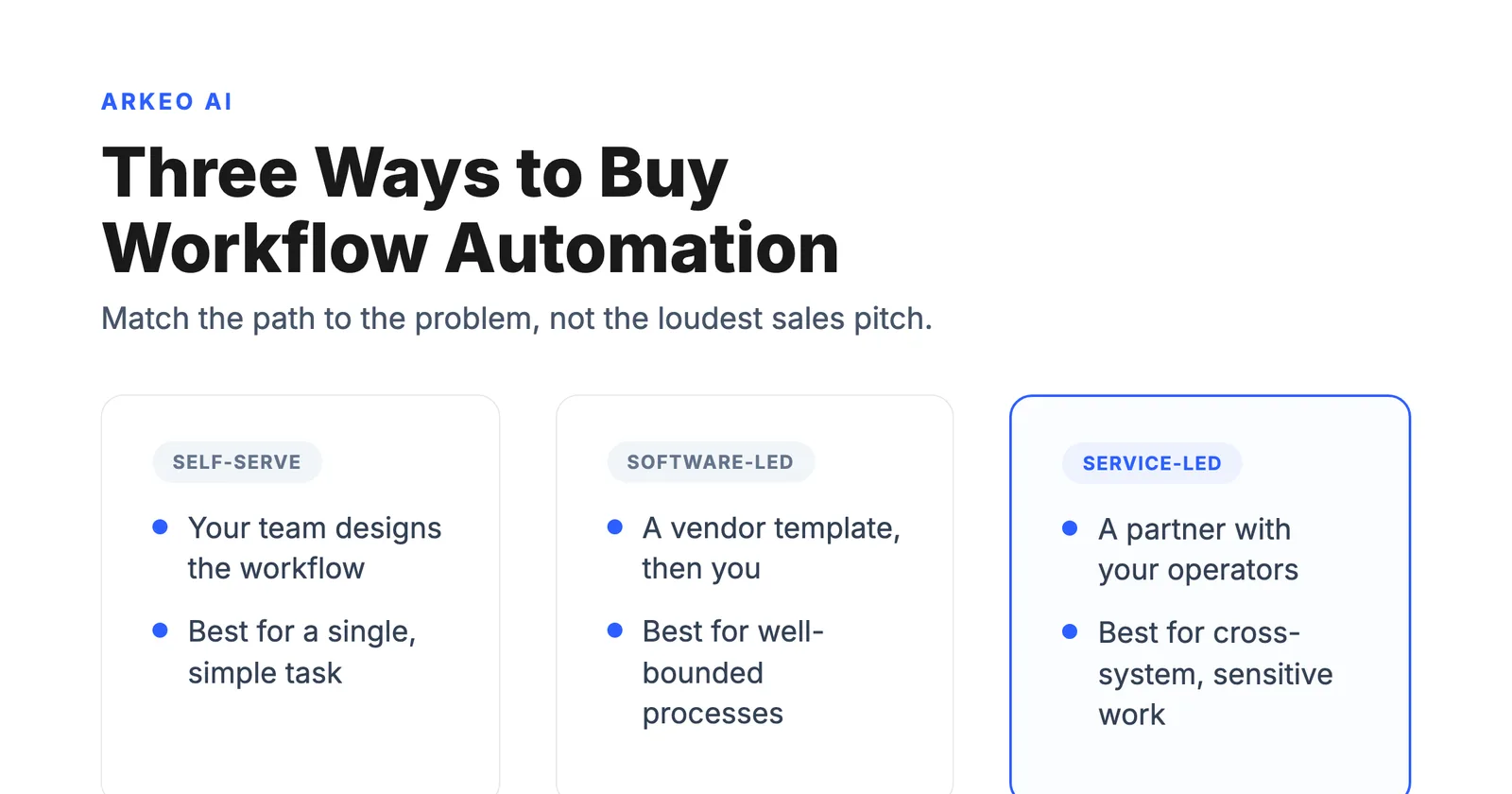 AIAI Workflow Automation Services: A Buyer's GuideA buyer-centric guide to AI workflow automation services: what a real engagement delivers, when it is worth paying for, and how to spot a partner who leads with your workflows instead of a tool license.
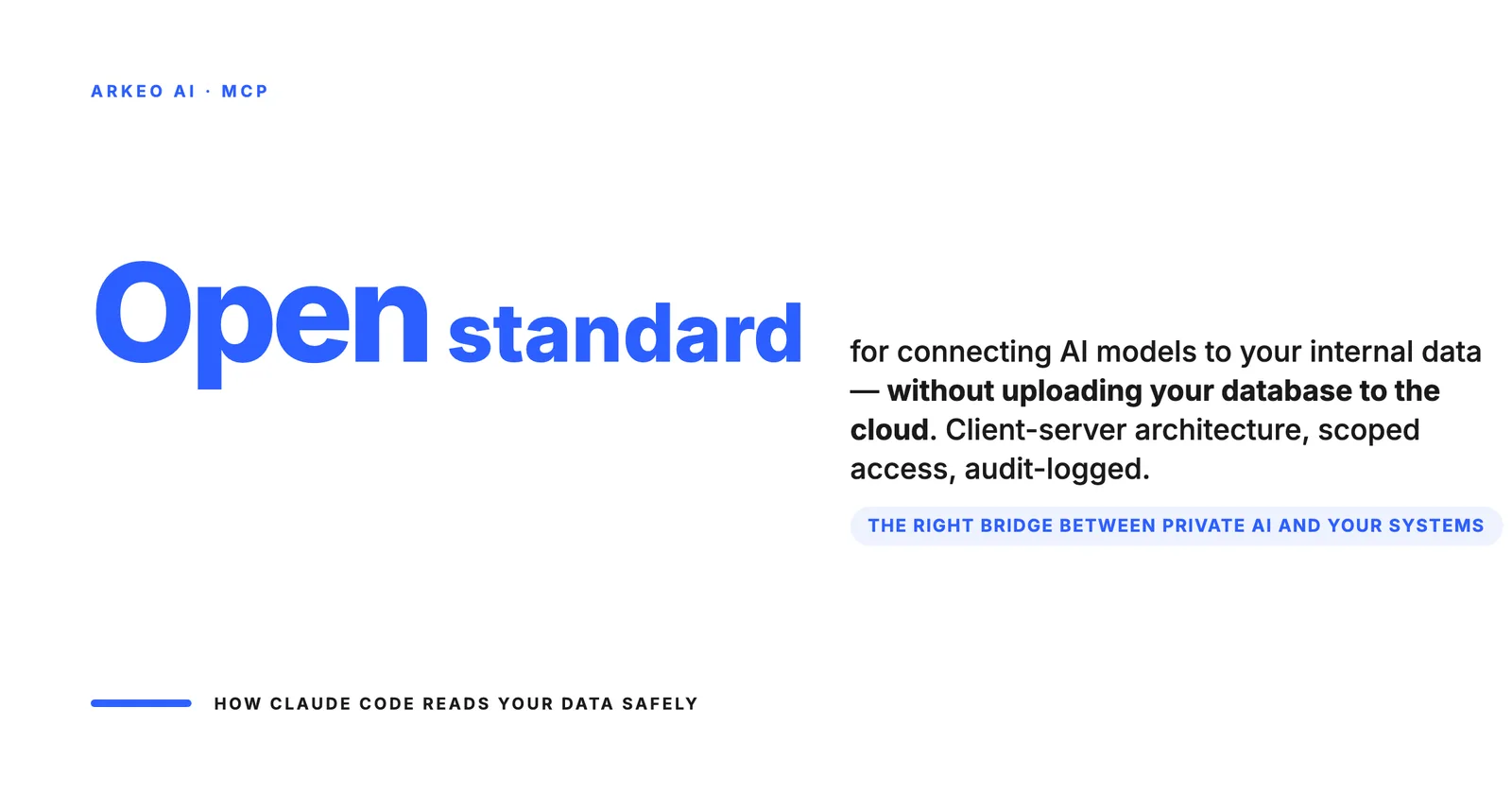 Private AIClaude Code MCP: Connecting Private AI to Your DataHow Claude Code and the Model Context Protocol connect a private AI workforce to your internal data without exposing it to public LLMs. The right architecture, the wrong one, and the three steps every mid-market deployment must follow.
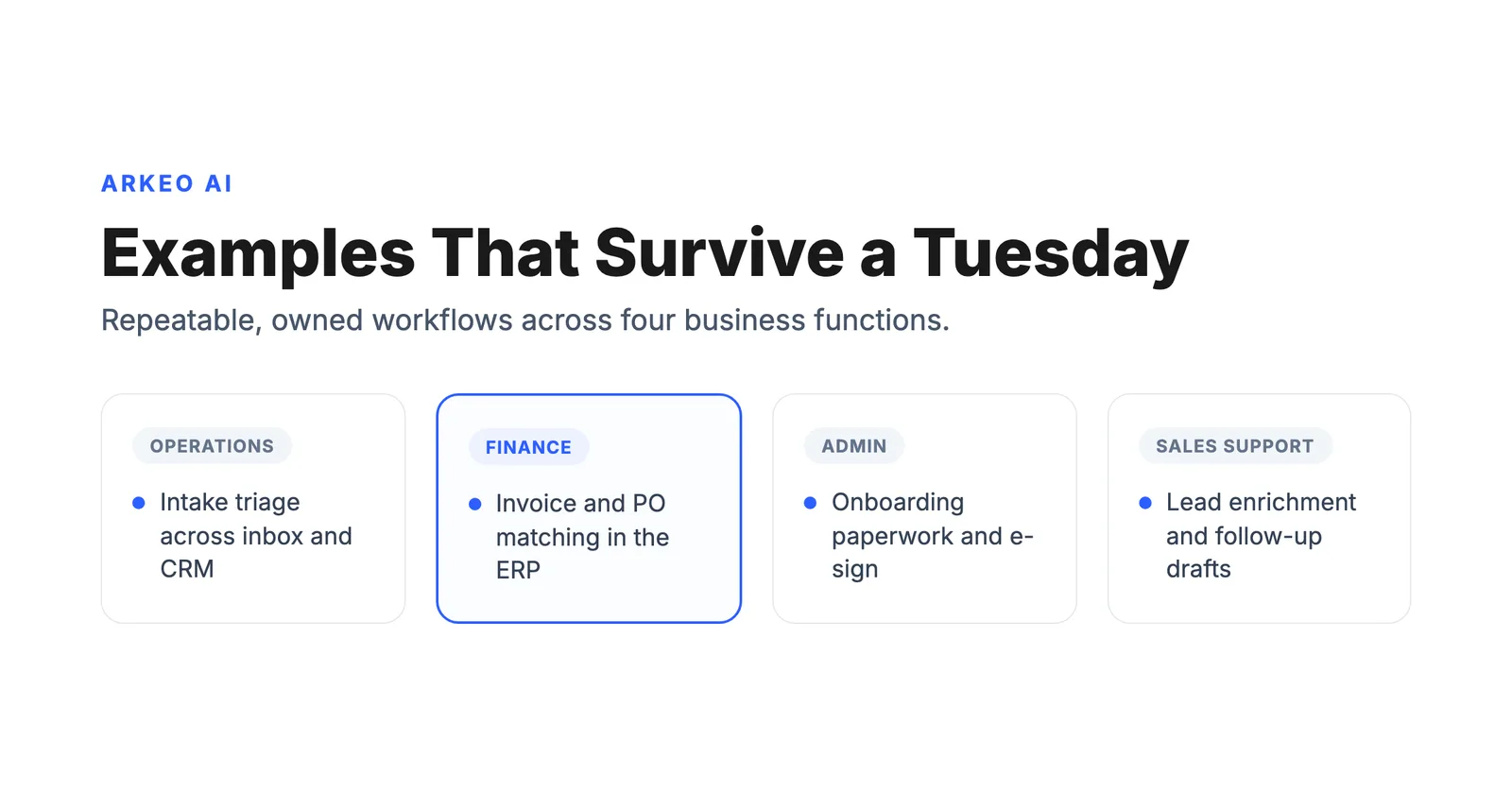 AIAI Workflow Automation Examples That WorkConcrete AI workflow automation examples by business function, each with the systems involved, what the AI does, the human checkpoint, and the expected result.
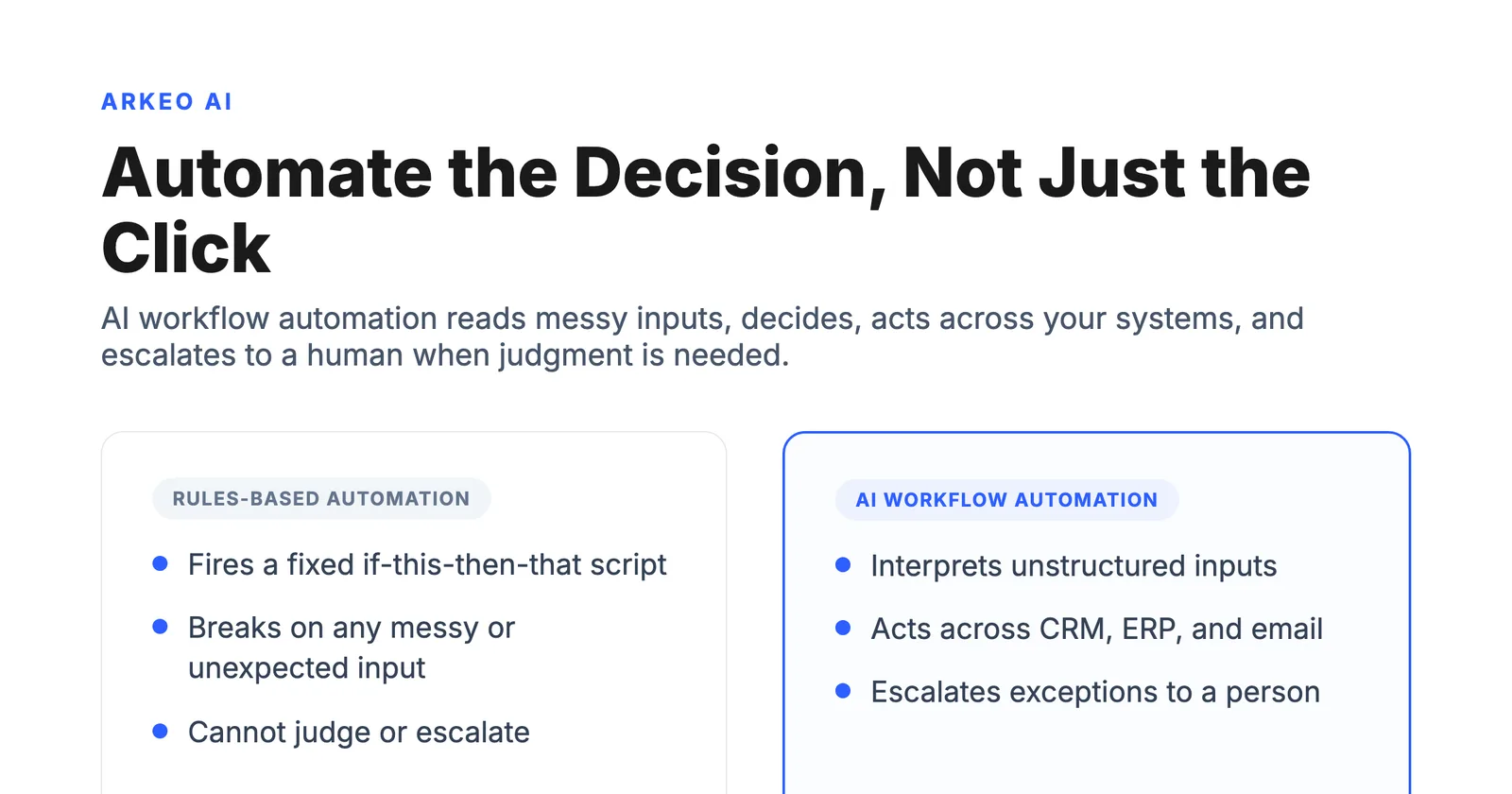 AIWhat Is AI Workflow Automation?AI workflow automation reads messy inputs, applies judgment, and acts across your systems. Here is where it creates value and how to choose what to automate first.