Blog
AI in Business
Insights on private AI, on-premise deployment, and building AI systems you actually own.
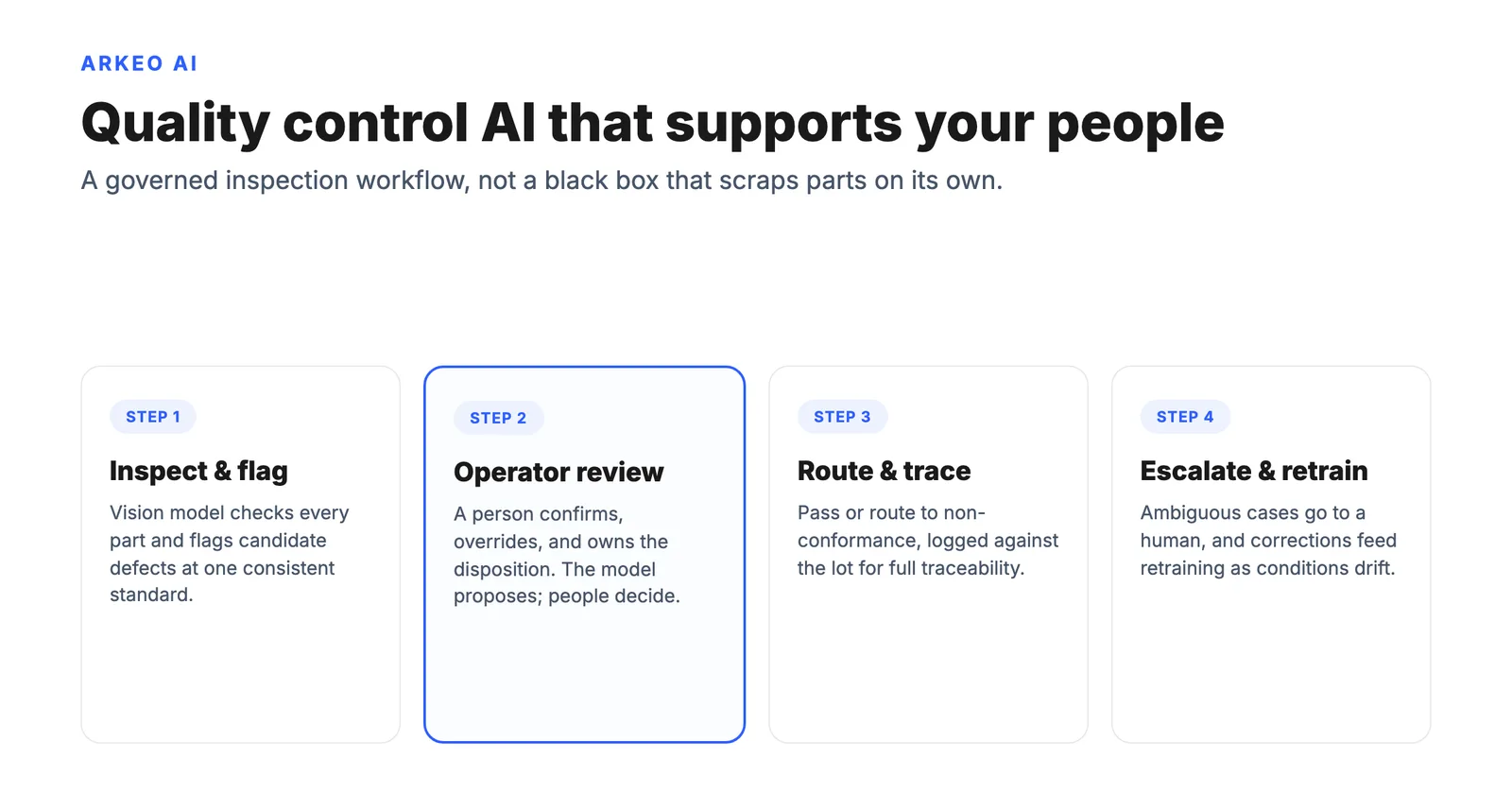 AIAI for Manufacturing Quality Control, Done RightWhere AI actually improves manufacturing quality control, what has to be true first, and how to pilot it safely as a governed inspection workflow, not an unchecked black box.
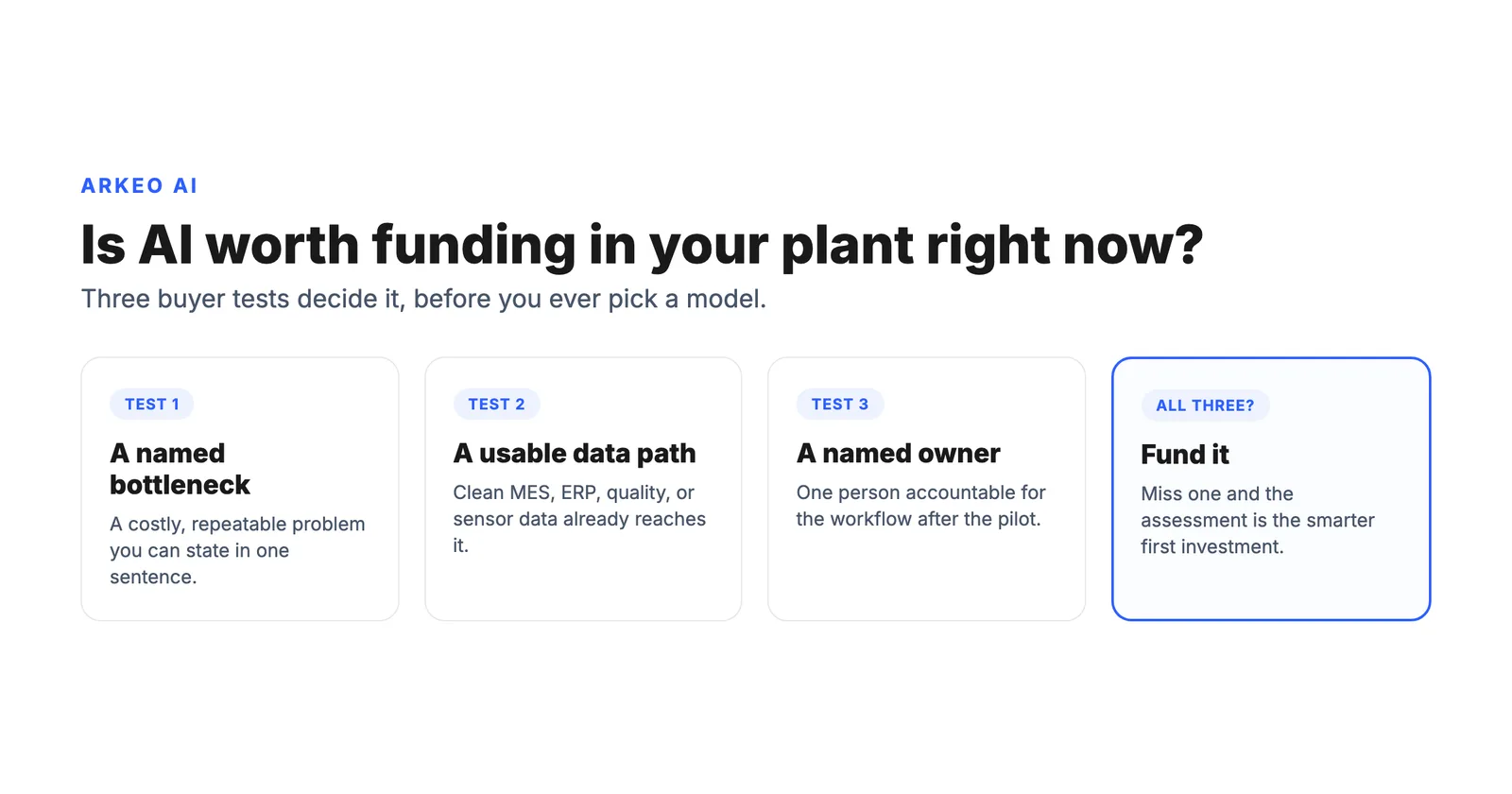 AIAI for Manufacturing Companies: A Buyer's GuideA buyer's decision guide for manufacturing leaders weighing AI: the readiness signals that say go, the good-fit and poor-fit profiles, and how to shape a low-regret rollout instead of an expensive false start.
 AIOpenClaw vs OpenCode: Evaluating AI Agent FrameworksMid-market operators often choose the wrong foundation for their AI agents. Here is how OpenClaw and OpenCode compare, and which one your business actually needs.
 Business5 OpenClaw Use Cases for Mid-Market OperationsMove beyond chatbots and shadow AI. Here are five practical ways mid-market operators use OpenClaw to build a secure, private AI workforce that handles real business operations.
 AIClaude Cowork Security: Preventing Shadow AIShadow AI is already in your business. Discover how Claude Cowork secures your data, provides audit logs, and offers zero training retention.
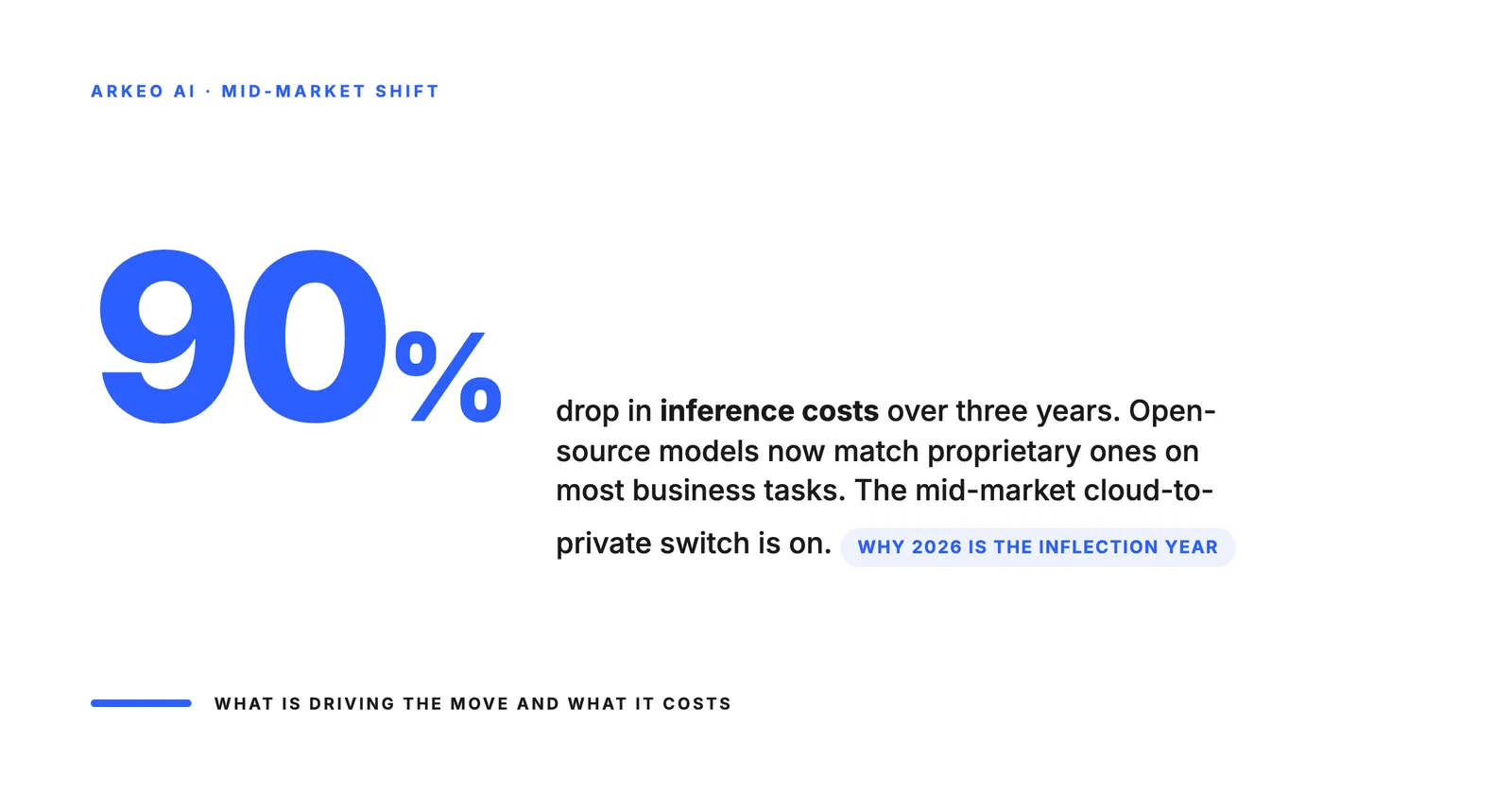 Private AIWhy Mid-Market Companies Are Moving to Private AISixty-four percent of mid-market companies have now deployed at least one AI workload. The shift from cloud to private AI is accelerating because the economics changed, the risks became real, and the tools got simpler.
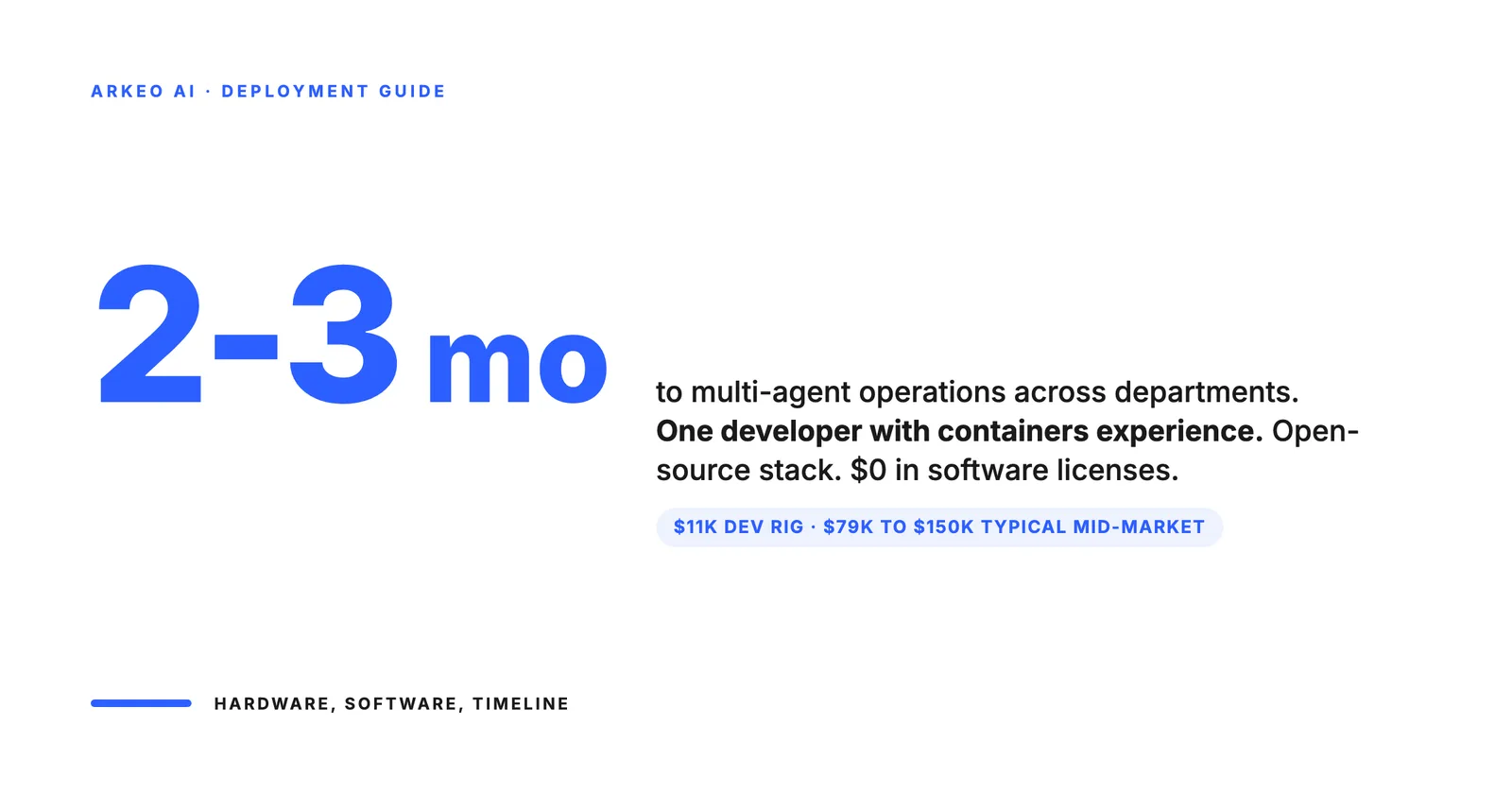 On-PremiseHow to Deploy AI on Your Own InfrastructureStep-by-step guide to deploying AI on your own servers. Hardware sizing, software stack, integration patterns, and a realistic 4-week timeline for mid-market companies.
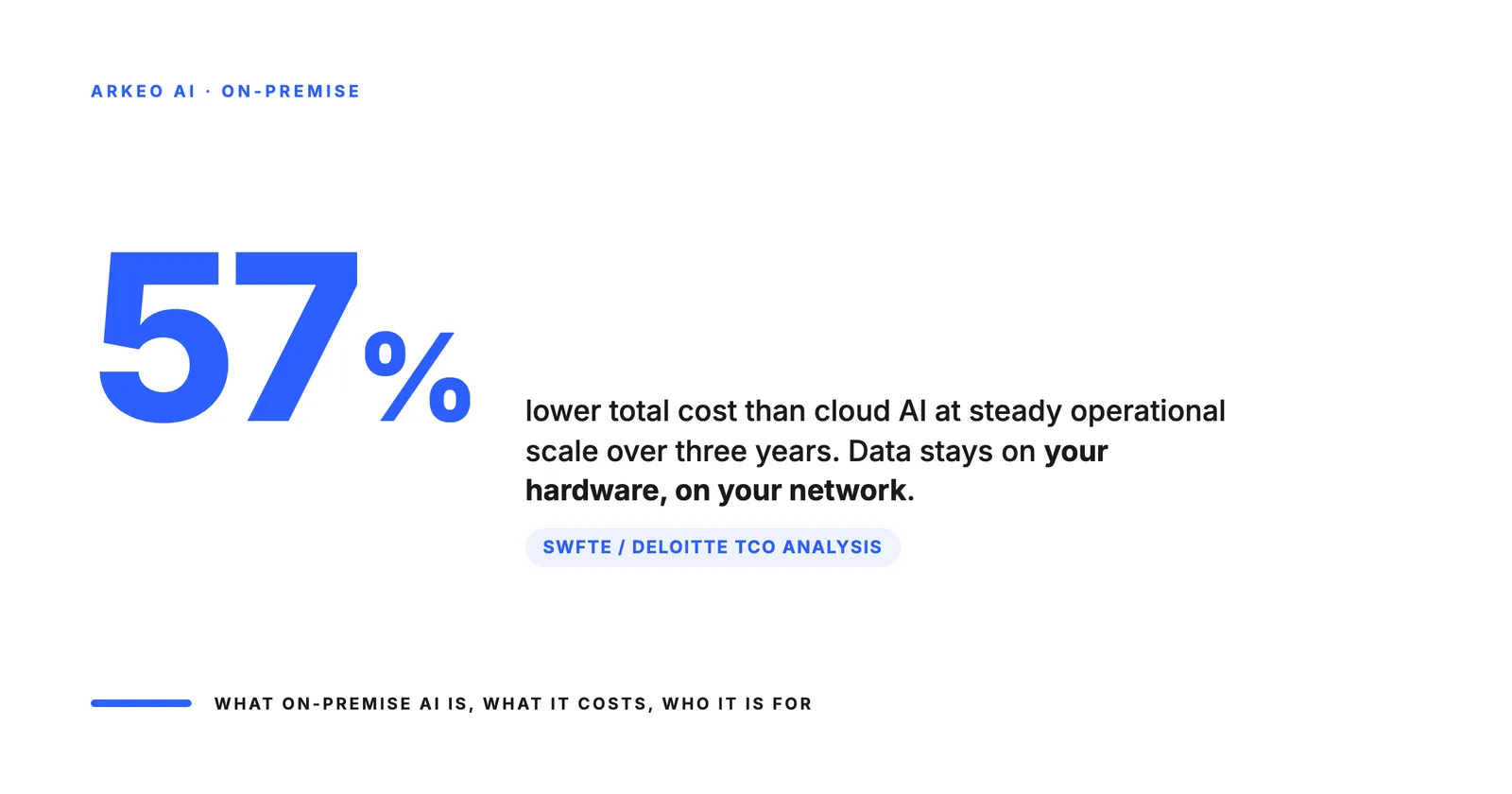 Private AIWhat Is On-Premise AI? The Business Owner's GuideOn-premise AI keeps your data on your servers. Learn what it costs, who it's for, and what real results mid-market companies are seeing.
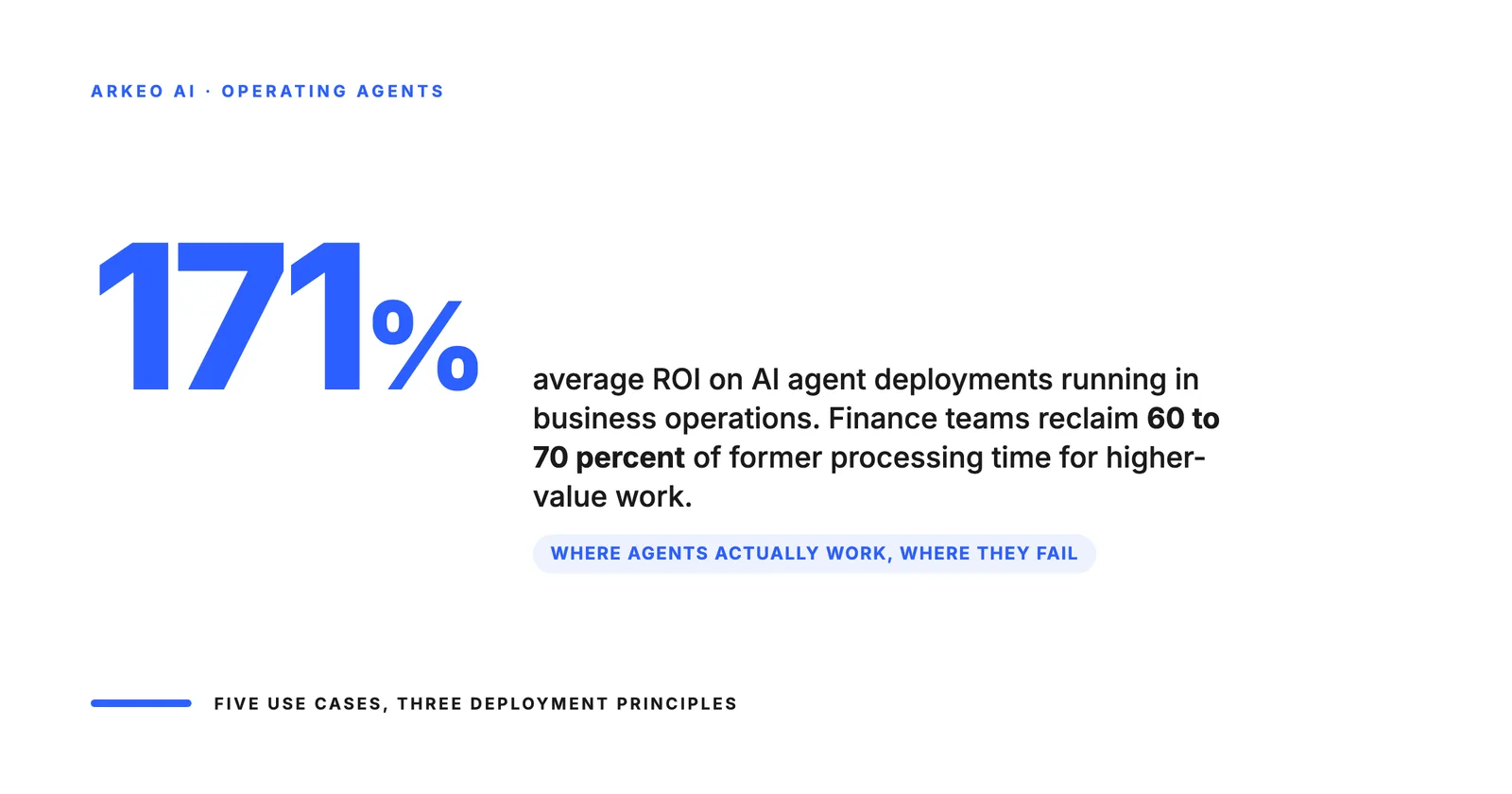 AIWhat AI Agents Can Actually Do for Business OperationsGartner predicts 40% of enterprise apps will include AI agents by end of 2026. Here is what agents actually do in business operations, which use cases deliver ROI, and why 40% of projects will fail.
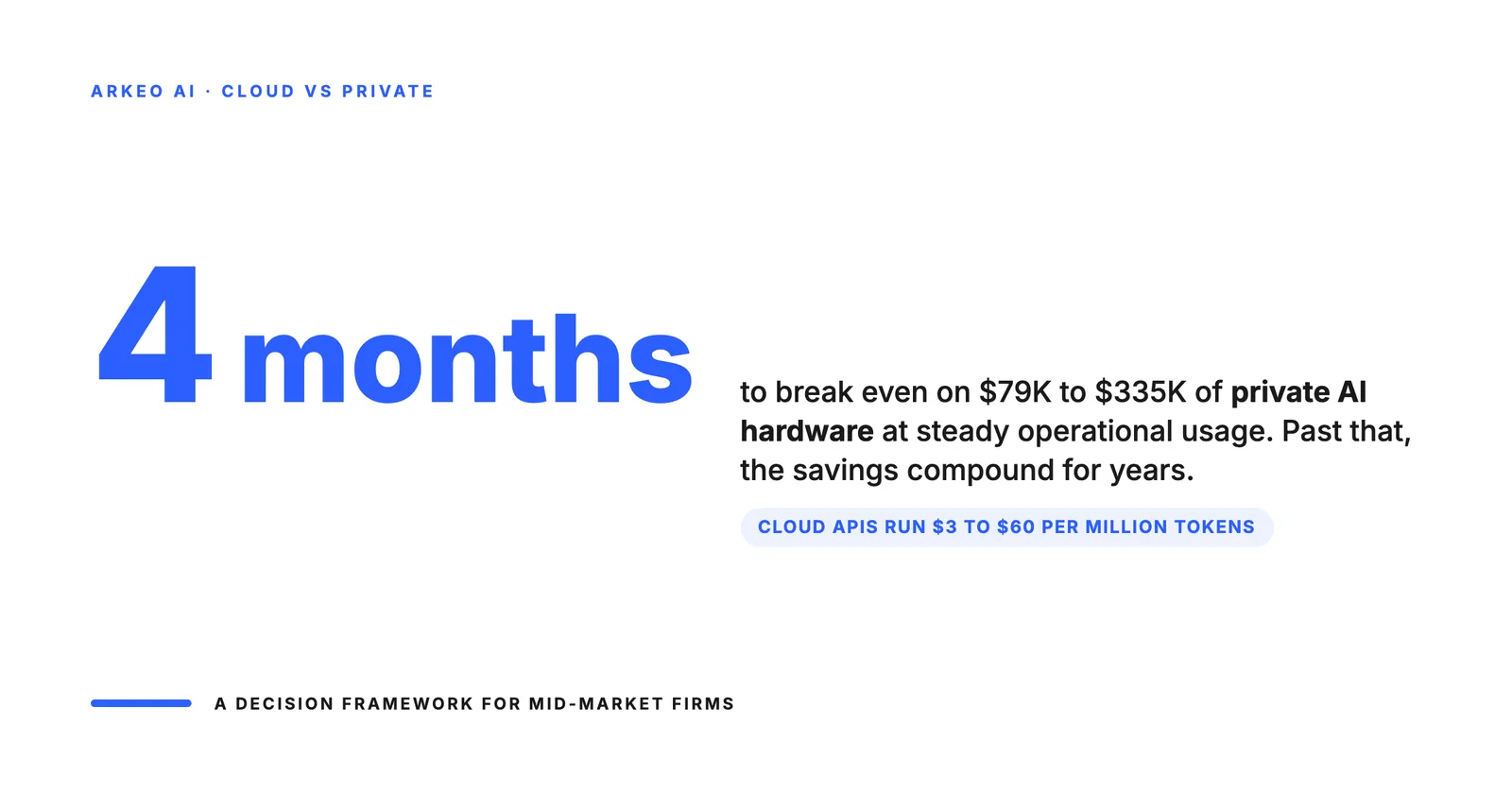 Private AICloud AI vs On-Premise AI: Which Is Right for Your Business?Your team is already using AI. The question is whether you chose that, or whether it just happened. Cloud AI and on-premise AI have fundamentally different cost structures, and most mid-market companies cross the on-premise break-even threshold faster than they expect.
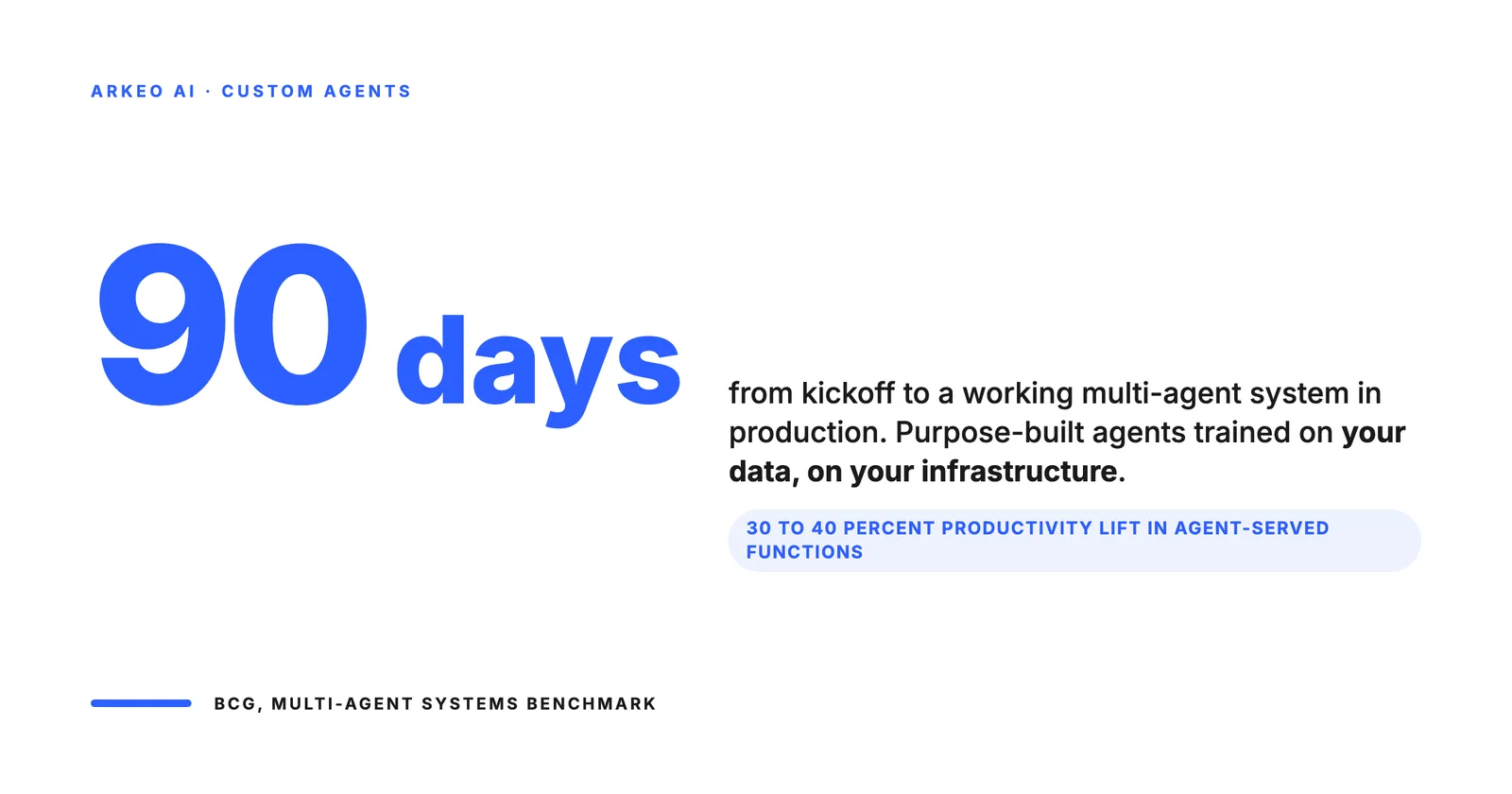 AIHow Our Arkeo Dev Team Built a Custom AI Coding Agent (and What SaaS Founders Can Learn)AI agents that do real operational work inside your business. How specialized agent teams are replacing generic AI tools across every department.
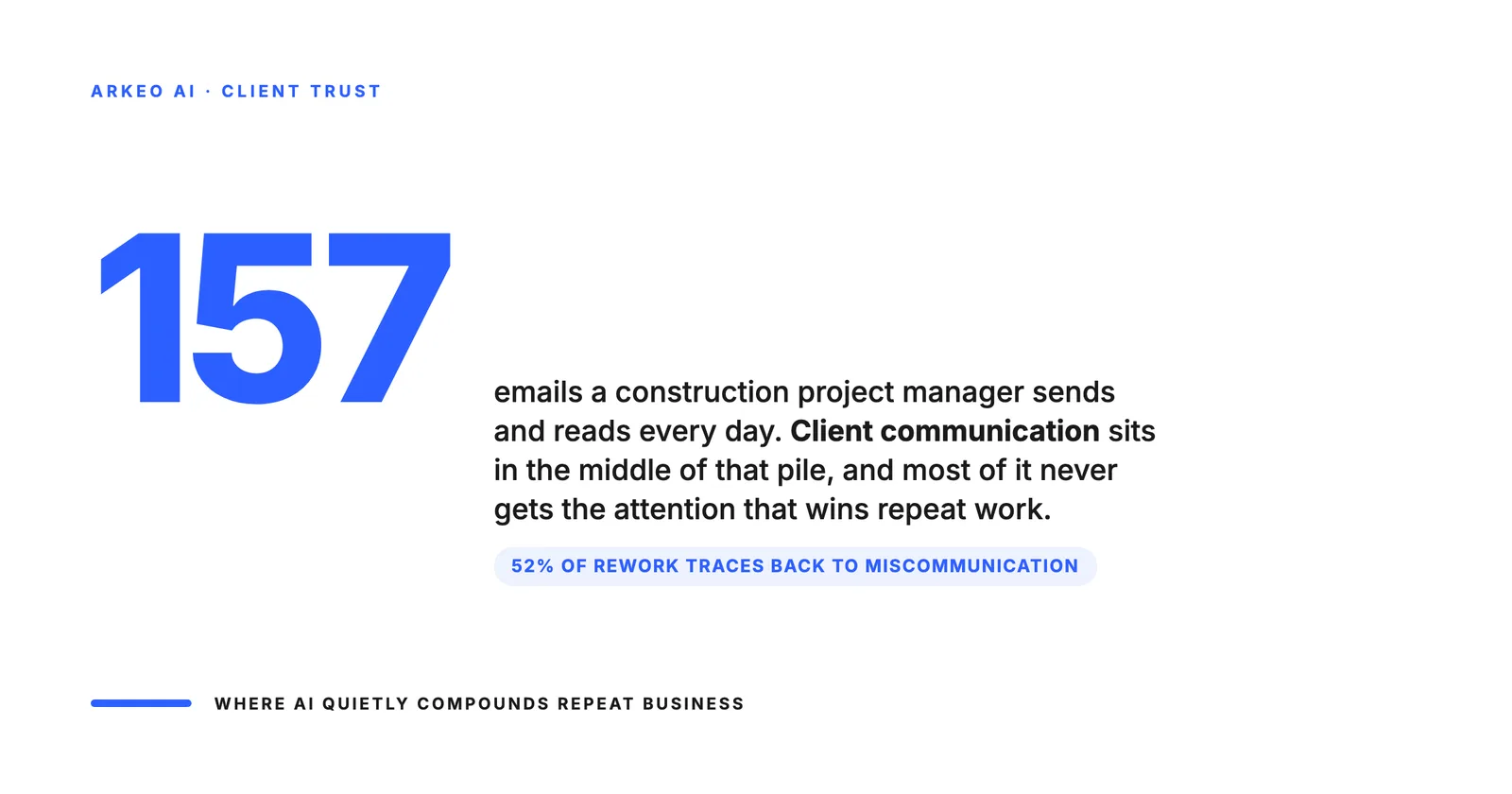 ConstructionBuilding Client Trust in Construction with AI-Powered CommunicationConstruction firms using AI for client communication are building trust at scale. Here is how automated updates and proactive alerts change the game.
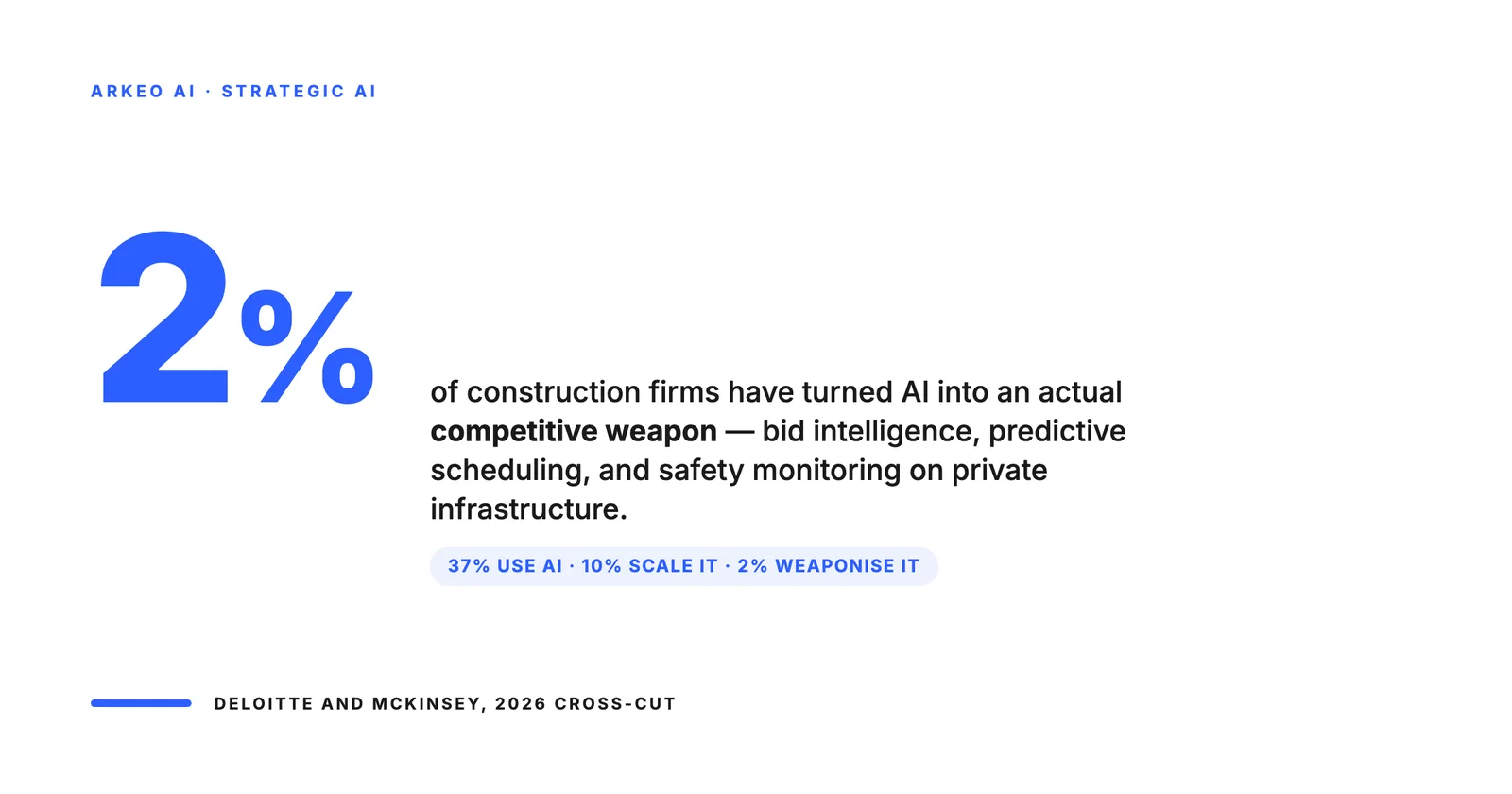 ConstructionThe Competitive Edge Only 2% of Construction Firms Are UsingAI adoption is surging in construction. But the firms turning it into a lasting competitive edge are doing something most aren't. Here's the difference.
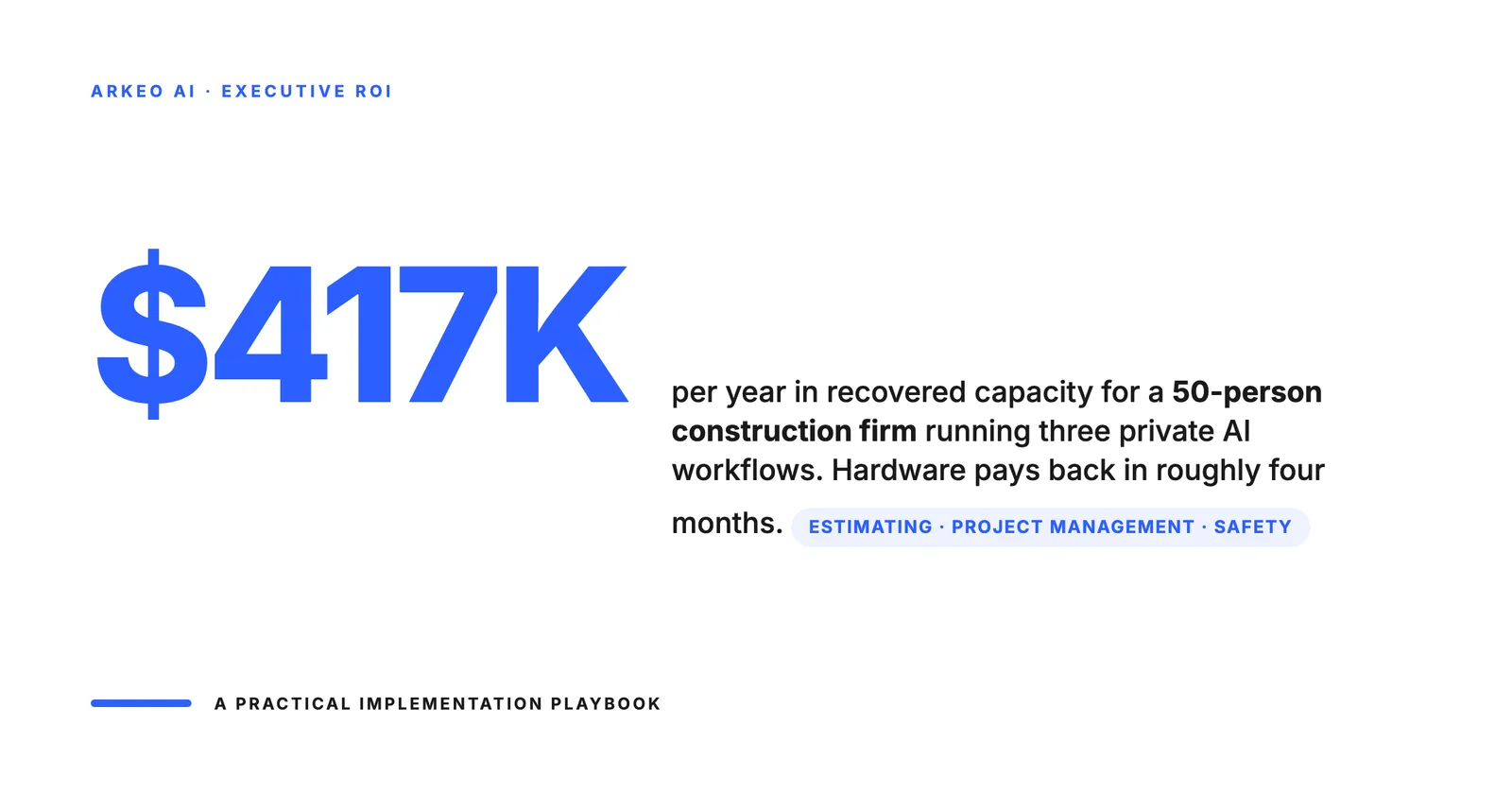 ConstructionAI for Construction Companies: Implementation PlaybookA practical AI implementation playbook for construction executives. Start with the audit, pick one high-friction workflow, prove the ROI, then scale.
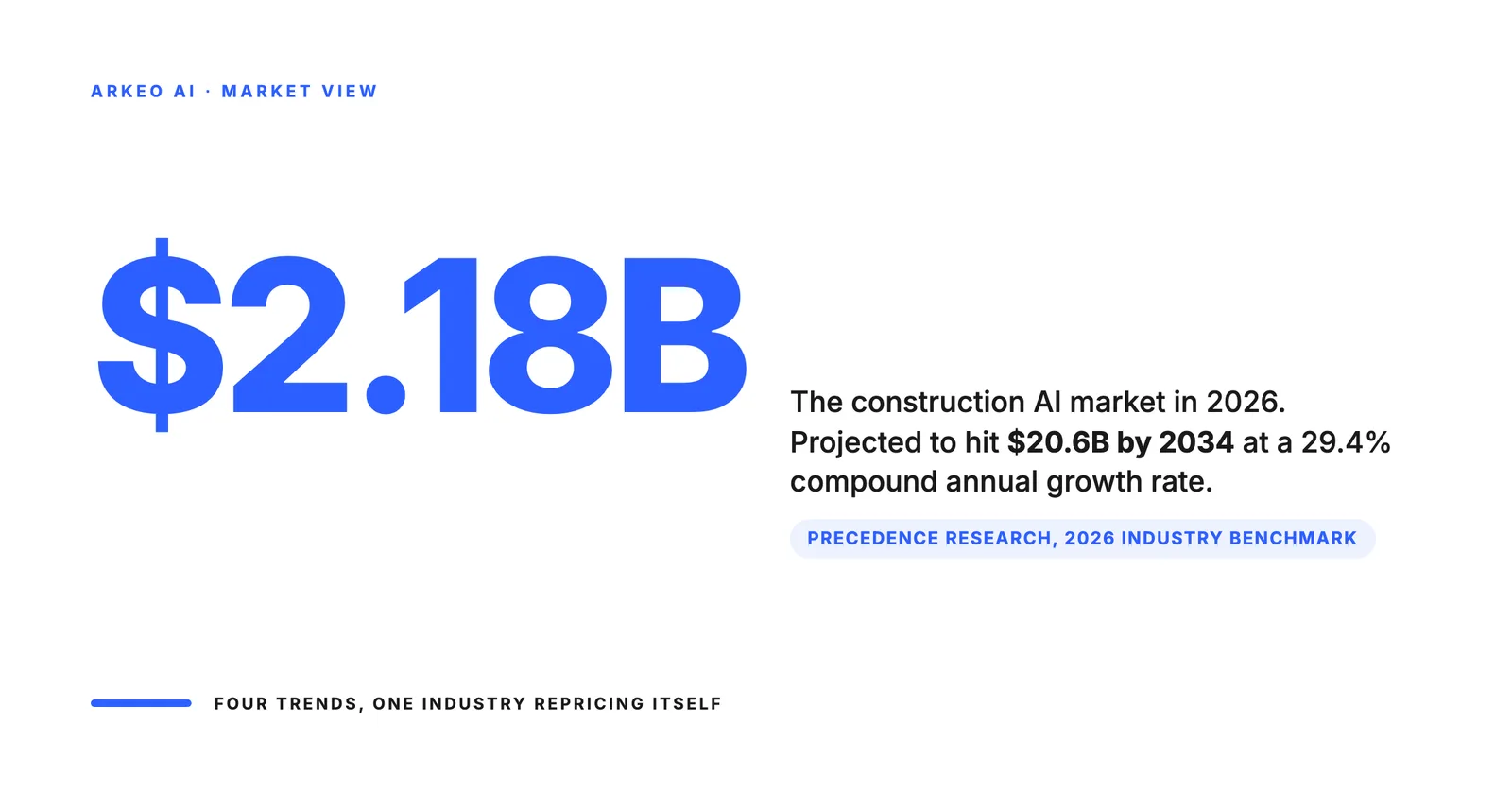 ConstructionAI in Construction: 4 Market Trends That Matter in 2026The AI in construction market reached $2.18 billion in 2026. Here are the four trends that matter most for contractors making deployment decisions today.
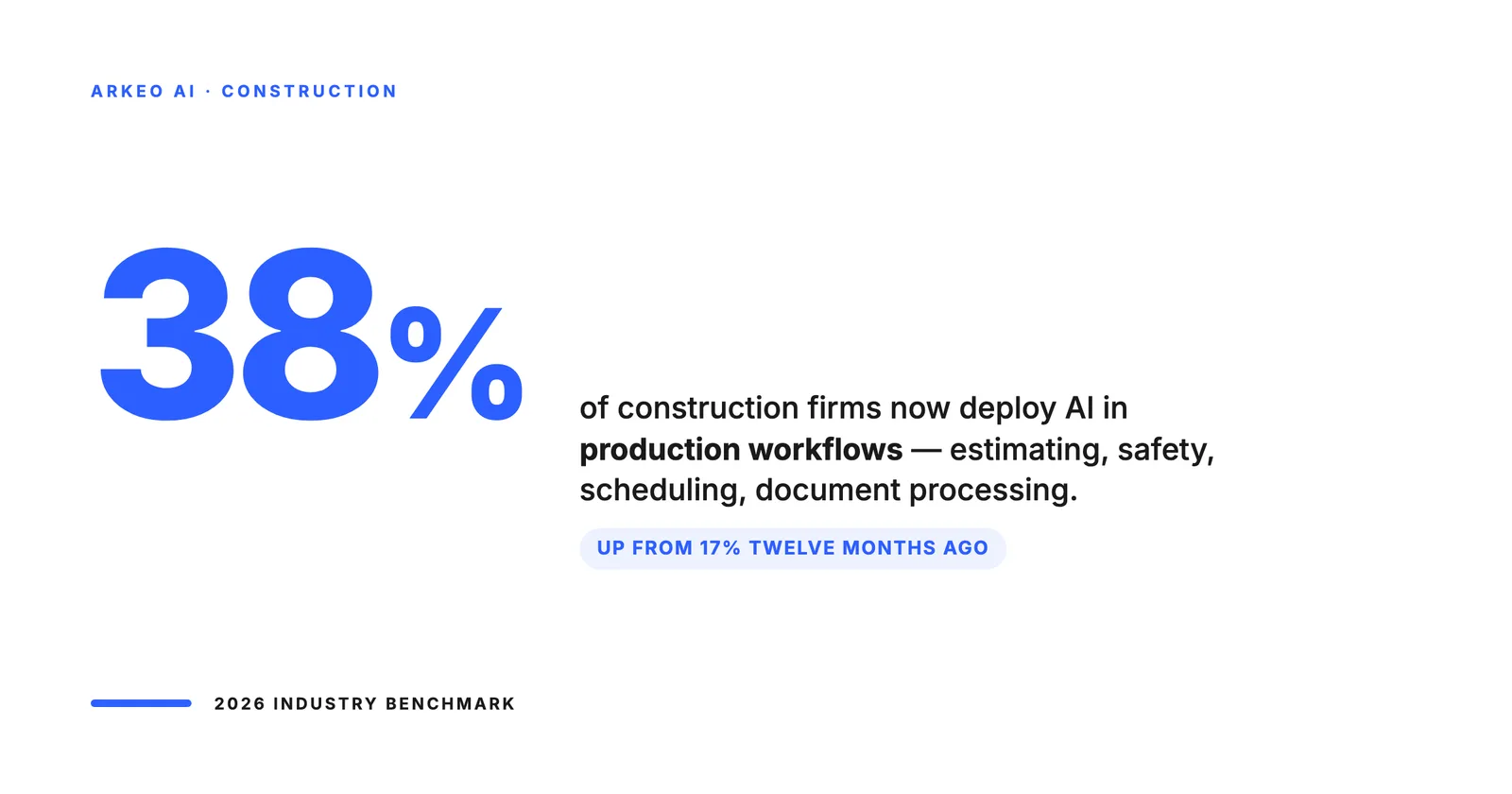 ConstructionHow Is AI Used in Construction? | 2026 Guide for ContractorsAI adoption in construction doubled in 2026. Here is what is working in estimating, safety, scheduling, and document processing, with real data from firms deploying it.
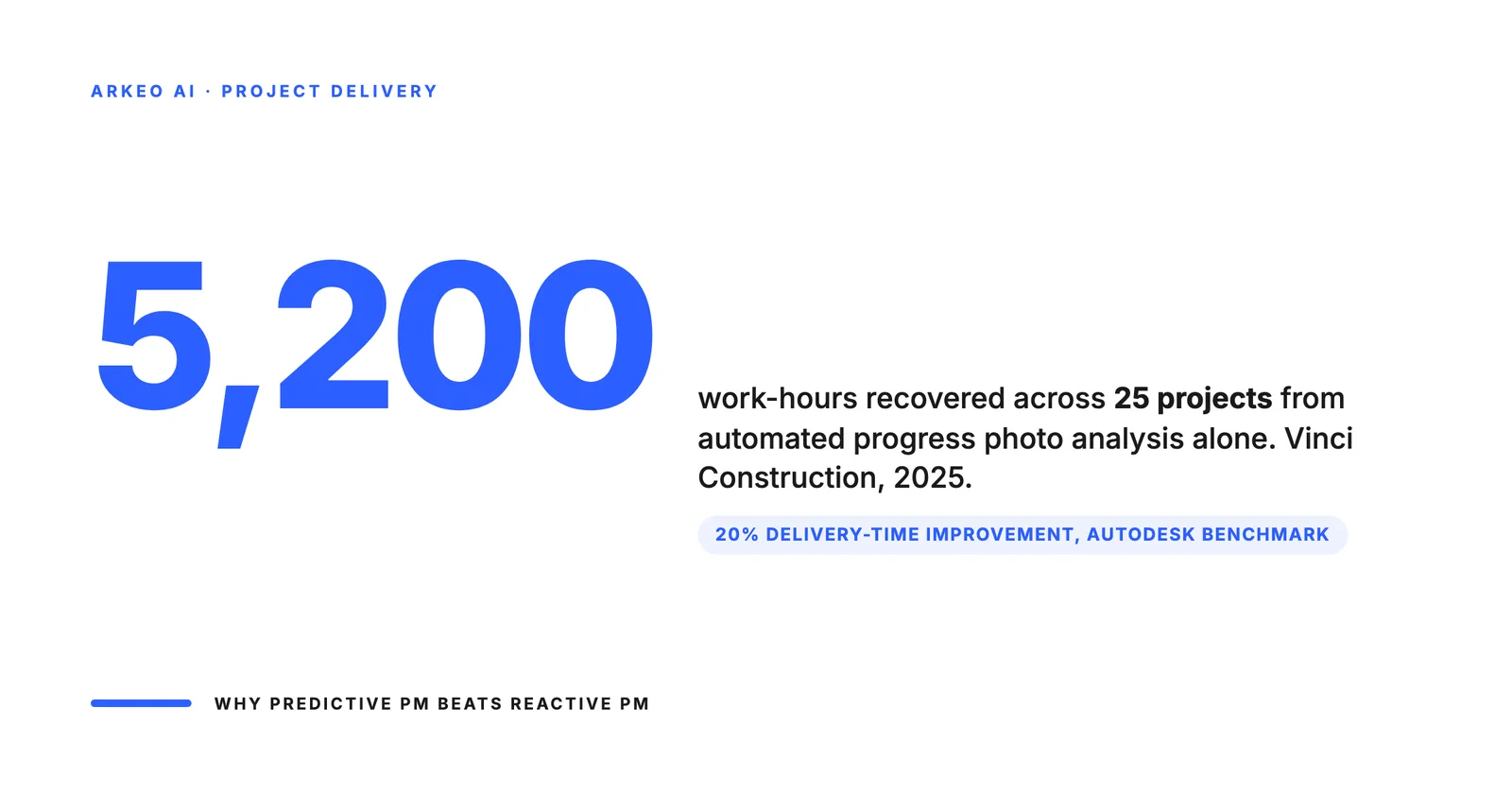 ConstructionAI in Construction Management: Scheduling, Delivery, and Project ControlAI-powered construction management tools improve project delivery by 20% and recover 500-1,000 hours yearly. Here is how predictive scheduling, progress monitoring, and resource allocation work in practice.
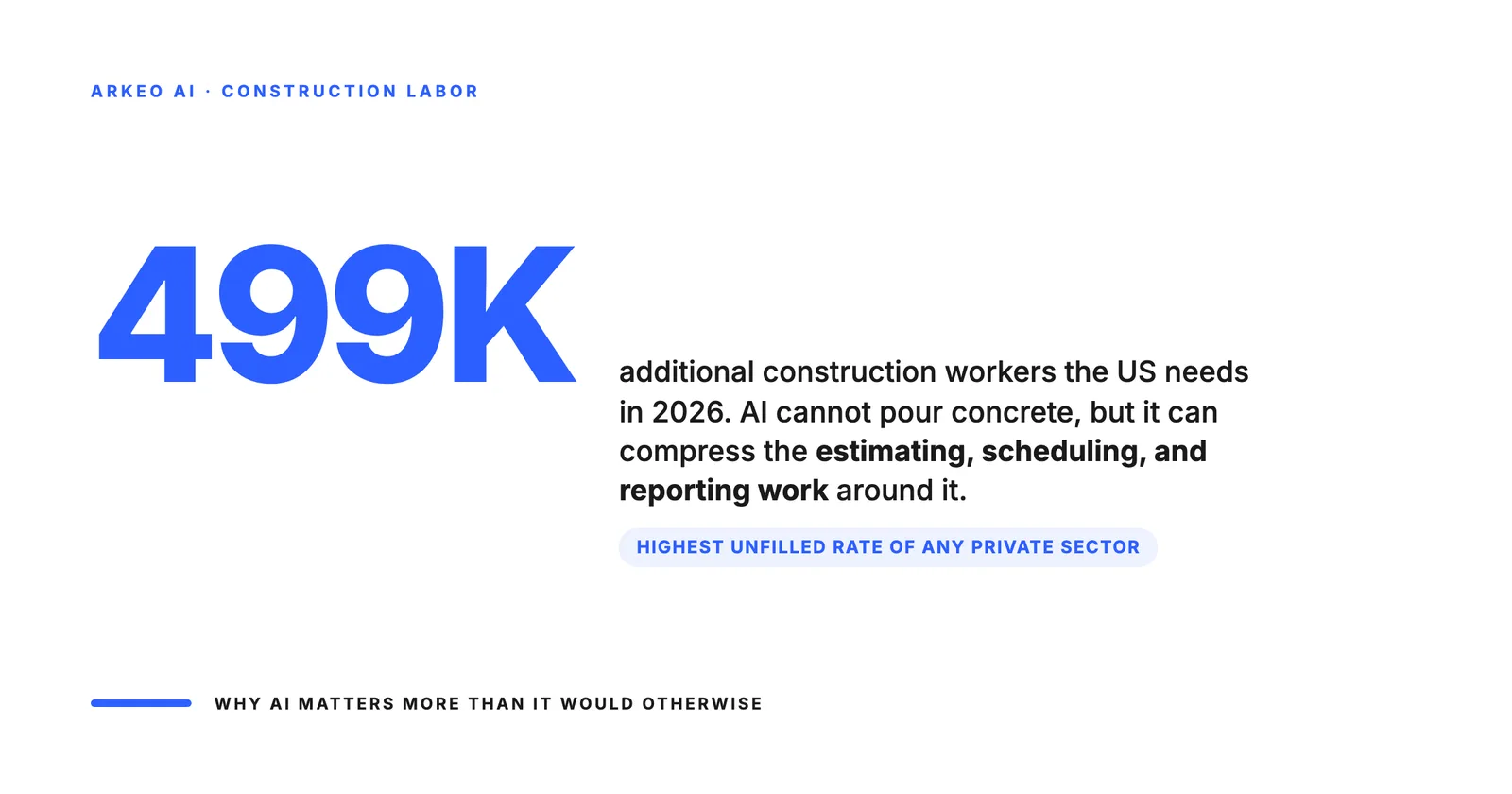 ConstructionWill AI Take Over Construction? Strategic Insights for 2026AI isn't coming for construction jobs. It's coming for the inefficiencies. Here's how the smartest firms are using it to win more and waste less.